Metal Roof Replacement Cost Per Square Foot: Panel Pricing
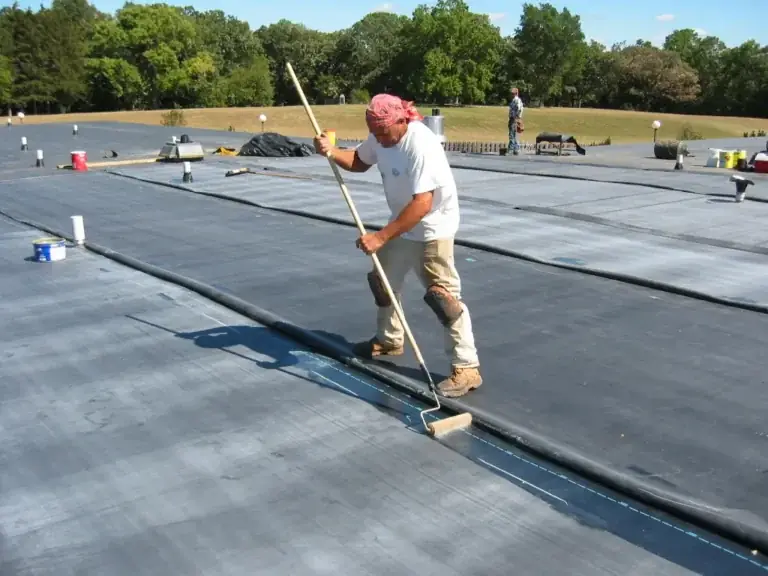
Checking metal roof replacement cost per square foot before calling contractors saves you from sticker shock when old shingles wear out. Most residential metal roof replacements cost between $7.50 and $22.00 per square foot installed, depending on panel profile, gauge thickness, and roofline complexity. Three springs ago, I helped a friend compare three quotes on a 1,800-square-foot gable home in upstate New York, where estimates swung by nearly $9,000 because one roofer bid exposed-fastener corrugated panels while another quoted standing seam steel with high-temp underlayment.
Metal Roof Replacement Cost Per Square Foot by Type
Standing seam, corrugated, and metal shingle rates
Panel profile shapes both upfront square-foot pricing and long-term leak resistance around fasteners. Exposed-screw ribs cost less initially, whereas concealed-clip standing seam panels last longer without washer aging.
-
Corrugated or Ribbed Steel Panels (26 to 29 gauge): $7.50 to $12.50 per square foot installed, offering economical shed, barn, or budget home coverage for 25 to 40 years.
-
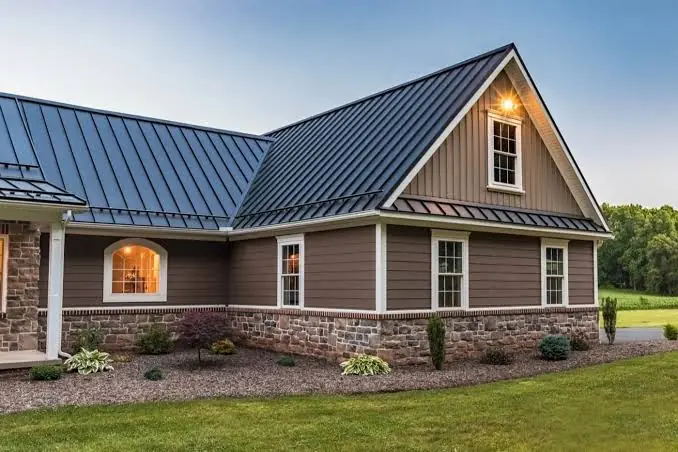
Standing Seam Steel Panels (24 to 26 gauge): $11.50 to $18.50 per square foot installed, hiding clips beneath raised seams for 40 to 60 years of service.
-
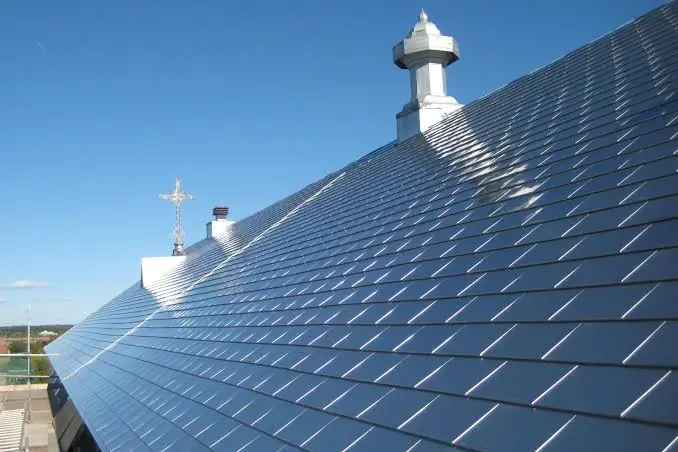
Stamped Metal Shingles or Slate Profiles: $12.00 to $21.00 per square foot installed, blending traditional neighborhood curb appeal with heavy-duty metal strength.
-
Architectural Aluminum or Zinc Panels: $14.00 to $24.00+ per square foot installed, resisting coastal salt corrosion or self-healing naturally over decades.
Steel, aluminum, and zinc price differences
Galvanized and Galvalume steel options
Steel panels dominate residential metal roofing because they combine high dent strength with reasonable material pricing. Galvalume coatings (zinc-aluminum alloy) resist edge rust better than plain galvanized steel in many climates.
Aluminum and zinc in special environments
Aluminum resists salt spray near oceanfront homes where steel might corrode faster along cut edges. Zinc panels cost more upfront, yet patina formation naturally seals minor surface scratches over time.
Why Metal Costs More Upfront Per Foot
Material prices and specialized install labor
Coil stock, Kynar finishes, and custom trim
Quality metal panels require coil steel or aluminum coated with durable finishes like PVDF (Kynar 500) to resist chalking and fading. Custom-bent rake trim, ridge caps, and valley flashing also add material cost compared to standard shingle bundles.
Crew skill and precision panel layout
Measuring panels, cutting angles cleanly, and aligning seams across roof slopes takes steady craftsmanship. Comparing general roof replacement cost per sq ft benchmarks shows why metal sits above basic asphalt shingles in initial installation cost.
Fastening systems and trim complexity
Concealed clips versus exposed neoprene washers
Standing seam roofs use hidden expansion clips so panels slide slightly with heat without shearing fasteners. Exposed-fastener panels drive screws right through the ribs, meaning neoprene washers eventually need periodic inspection.
Valleys, dormers, and roof penetrations
Chimneys, skylights, valleys, and dormers require careful metal flashing and sealant work so water cannot sneak under seams. Checking roof replacement price per square foot helps clarify how roof geometry and labor hours raise total project bids.
The Lifetime Math on a Metal Roof
Energy savings and insurance discounts
Solar reflectance and cool roof performance
Reflective pigments on light or cool-coated metal panels bounce away part of the sun’s heat during warm months. According to the U.S. Department of Energy (DOE), cool roofs help reduce peak cooling demand and keep attic temperatures lower in sunny weather.
Impact ratings and insurer discounts
Class 4 impact-rated metal roofs often resist hail bruising better than standard asphalt shingles. Some homeowners qualify for modest insurance discounts, though actual savings vary by carrier and state.
How longevity offsets the higher per-foot cost
Replacing one metal roof versus two shingle roofs
A well-installed metal roof can last 40 to 60 years, often outlasting two asphalt shingle cycles on the same home. Avoiding a second tear-off, dumpster rental, and labor cycle decades later improves long-term value.
When a targeted repair is enough instead
Small dents, loose trim, or a single leaking boot on an existing roof do not always demand full replacement. Checking roof repair cost per square foot near me helps verify whether localized repairs make sense before committing to a full swap.
Cutting Costs Without Cutting Corners
Panel choices that trim the budget
Selecting practical gauges and clean roof lines
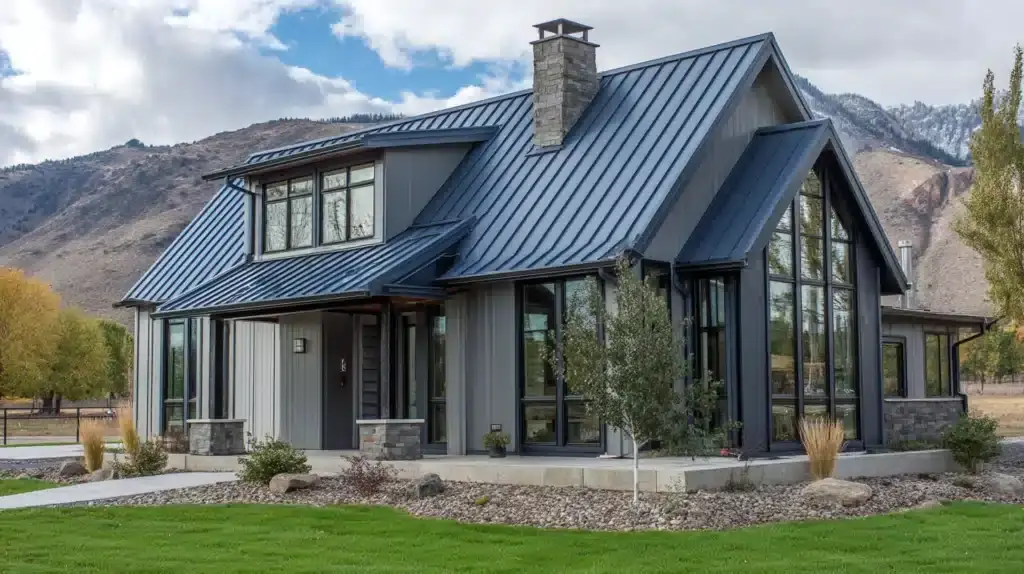
Simple gable rooflines with fewer dormers and valleys require less custom flashing and less cutting waste. Choosing 26-gauge or 24-gauge steel in a standard profile keeps pricing sensible while maintaining strong durability.
High-temperature underlayment beneath metal
Metal roofs get hot under direct sun, so high-temperature underlayment protects the deck layer reliably beneath the panels. Skipping proper underlayment or trim details is a false economy that risks future leaks.
Timing and contractor selection tips
Comparing itemized bids from experienced metal installers
Request at least three written quotes listing panel gauge, finish type, underlayment, trim pieces, and tear-off terms. Clear line items make comparing bids straightforward and help prevent surprise add-ons later.
Scheduling around seasonal demand
Booking installation during shoulder seasons rather than peak storm rushes can sometimes give you better scheduling options. Always verify contractor licensing, insurance coverage, and written workmanship terms before signing.
Frequently Asked Questions
What is the average metal roof replacement cost per square foot for a house?
Most homeowners pay between $7.50 and $22.00 per square foot installed for a residential metal roof, depending on panel style and material. Standing seam steel typically falls in the middle-to-upper range, while ribbed panels often cost less.
Is standing seam worth the extra cost over exposed-fastener metal?
Standing seam costs more upfront, yet hidden fasteners avoid exposed screw washers that weather over time. Many homeowners prefer standing seam for primary residences because it looks clean and handles thermal movement well.
Can you put a new metal roof over existing shingles?
Some local building codes allow installing metal over a single layer of flat shingles if the roof deck is dry and sound. A full tear-off is still smart if decking feels soft or existing shingles curl badly.
How loud is a metal roof during rain or hail?
Over solid roof decking and proper underlayment, a metal roof sounds similar to other roofs during normal rain. Heavy hail can still be heard on any roof, though insulation and attic space dampen much of the noise.
Compare Metal Roofing Bids With Confidence
Knowing the real metal roof replacement cost per square foot lets you weigh upfront panel prices against decades of low-maintenance service. Measure your roof area, decide between standing seam or ribbed profiles, and gather three itemized quotes this week before booking your installation.