House Painting Alternatives: Smart Low-Upkeep Upgrades
Investing in house painting alternatives makes financial sense the moment you tally up how much scraping, priming, and brushing a two-story home costs every seven years. Homeowners can replace short-lived latex paint films with penetrating wood stains, breathable mineral limewash, or factory-finished siding panels that hold their color for decades. Three autumns ago, I helped my brother-in-law switch his peeling pine clapboards in Vermont over to a semi-solid oil stain, eliminating blistered paint flakes and cutting his future prep labor down to a quick afternoon wash.
House Painting Alternatives That Save You Time and Money
The real cost of repainting on a cycle
Hiring a professional crew to wash, scrape, caulk, and spray a 2,400-square-foot home averages $5,200 to $8,800 per cycle. Across twenty-five years of homeownership, three full repainting rounds easily drain $18,000 to $26,000 from your maintenance budget without adding new structural protection.
Low-maintenance options gaining popularity
Smart homeowners increasingly look beyond standard acrylic paint cans toward permanent cladding and penetrating finishes. Each substitute solves a specific moisture or sun-exposure problem while stretching maintenance intervals dramatically.
-
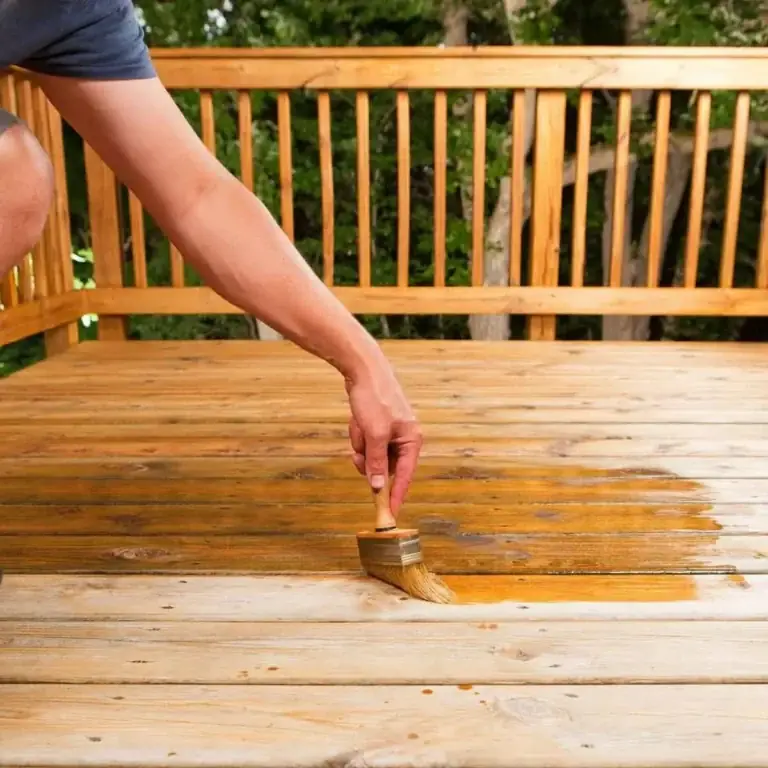
Penetrating Oil or Waterborne Wood Stain: $2.25 to $4.50 per square foot applied, soaking into timber pores so it never peels or blisters.
-
Slaked-Lime Wash and Silicate Mineral Paint: $3.50 to $6.75 per square foot applied, bonding chemically with porous brick and stone for 20+ years.
-
Acrylic Elastomeric Stucco Overcoat: $6.00 to $11.50 per square foot installed, bridging hairline cracks while resisting coastal salt spray.
-
Factory-Finished Fiber Cement Planks: $8.50 to $15.00 per square foot installed, backed by 15-year baked-on finish warranties.
-
Insulated Vinyl Siding Panels: $5.50 to $10.50 per square foot installed, carrying through-body color pigments that never need a paintbrush.
Staining, Limewashing, and specialty Finishes
When stain beats paint on wood exteriors
Penetrating cedar and redwood clapboards
Wood siding naturally swells during humid summer rainstorms and shrinks during dry winter freezes. Penetrating stains soak deep into the wood grain rather than forming a brittle surface skin, allowing trapped vapor to escape freely.
Easier prep work during future touch-ups
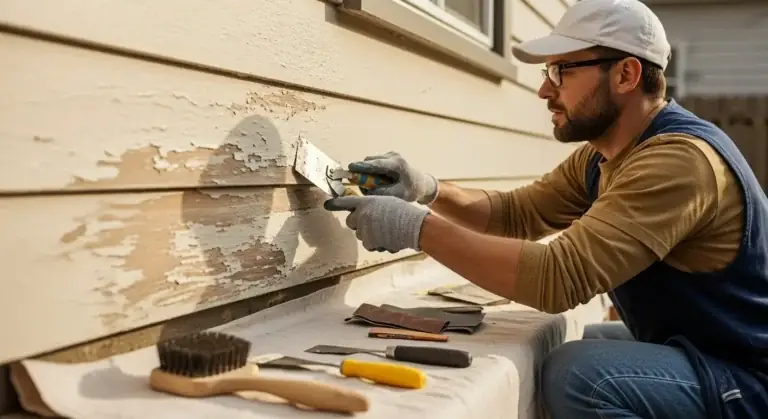
Recoating stained wood requires only a gentle wash with oxygen bleach and a fresh brush coat every four to six years. Even if you compare top-scoring formulas from ppg exterior paint reviews, penetrating stains still win on rough-sawn cedar shakes where scraping peeling paint ruins the wood texture.
Limewash and mineral finishes for a timeless look
Authentic slaked-lime wash on unpainted brick
Traditional European limewash is mixed from crushed, burned limestone and water, calcifying directly onto porous clay brick or stone. Unlike standard latex paint, which traps moisture inside masonry walls and causes winter spalling, limewash lets brick breathe naturally while developing a soft, weathered patina.
Potassium silicate mineral coatings
Modern silicate paints chemically fuse with concrete, stucco, and brick substrates to create an inorganic mineral bond that resists UV fading for thirty years. Homeowners comparing exterior paint alternatives for historic masonry homes often pick silicate coatings because they prevent blistering without altering wall permeability.
Full Re-Siding and Cladding Upgrades
Vinyl, fiber cement, and engineered wood compared
Thick-gauge vinyl and insulated clapboards
Heavy-duty 0.046-inch vinyl siding eliminates painting forever because UV-resistant color runs straight through the PVC panel. Spraying it down once each spring with a garden hose removes pollen and cobwebs in less than an hour.
Factory-coated fiber cement and engineered wood
James Hardie ColorPlus boards and pre-finished LP SmartSide panels receive multiple coats of baked-on acrylic finish inside climate-controlled factories. Research from the U.S. Department of Agriculture Forest Products Laboratory (FPL) confirms that factory-applied coatings cured under controlled heat last significantly longer than field-applied paints because wood moisture content stays tightly regulated before application.
What a full residing project involves
Stripping failed siding and inspecting housewrap
A complete re-siding crew removes old, paint-caked clapboards down to the wall sheathing so rotted OSB boards can be replaced. Fresh weather-resistive barriers like Tyvek wrap and window flashing tape are then stapled across the framing to stop wind-driven rain leaks.
Balancing upfront remodeling cost against resale return
Installing new fiber cement or insulated vinyl siding costs more upfront than hiring a painter for one weekend. Reviewing all available exterior painting options alongside Zonda’s Cost vs. Value data helps you weigh immediate cash outlay against recovering over 80% of re-siding costs at resale.
Choosing the Right Option for Your Climate and Budget

Humidity, sun, and freeze-thaw considerations
High-UV desert and southern exposures
Intense ultraviolet radiation in Arizona, Texas, and Florida breaks down organic paint binders quickly, causing chalky fading on south-facing walls. Mineral silicate finishes, stucco, and Kynar-coated steel siding hold rich pigments without chalking under relentless sun.
Freeze-thaw moisture cycles in northern states
Homes across New England and the Upper Midwest endure rapid temperature swings that crack rigid paint films around window casings. Breathable wood stains and flexible fiber cement planks handle winter ice expansion without flaking off in sheets.
Getting accurate quotes from local pros
Requesting substrate moisture and adhesion checks
Reputable exterior contractors test existing wood moisture levels with a pin meter before recommending a stain, elastomeric coating, or full re-side. Moisture readings above 15% indicate hidden roof or gutter leaks that must be fixed before any finish goes on.
Comparing apples-to-apples warranty terms
Ask every bidder to separate material finish warranties from contractor workmanship guarantees in writing. Pre-finished cladding brands often cover peeling or chipping for 15 to 30 years, whereas most local house painters warranty labor for just two to three years.
Frequently Asked Questions
What are the most affordable house painting alternatives for wood siding?
Penetrating wood stains and solid-color acrylic stains offer the lowest upfront cost at $2.25 to $4.50 per square foot applied. Both options soak into wood fibers rather than forming a thick film, saving thousands in future scraping labor.
Can you apply house painting alternatives directly over old latex paint?
Solid-color siding stains and high-build elastomeric coatings can adhere over clean, firmly bonded latex paint after thorough washing and sanding glossy areas. Penetrating oil stains and mineral limewash require bare wood or unpainted masonry so they can absorb properly.
Which house painting alternative lasts the longest without maintenance?
Natural stone veneer, brick, and Kynar-500 painted steel siding last 40 to 75 years with virtually zero upkeep beyond occasional rinsing. Factory-coated fiber cement siding ranks right behind them, holding its baked-on finish for 15 to 20 years before needing a refresh coat.
Does limewash rub off on clothes or wash away in the rain?
Properly applied slaked-lime wash cures over several days through carbonation, forming a durable mineral bond that resists rainstorms. During the first few days while wet, it can be rinsed back selectively to create an antique distressed look on brick.
Upgrade Your Home Exterior Without Endless Repainting
Choosing smart house painting alternatives protects your siding from moisture rot while freeing your weekends from ladder work. Inspect your walls for peeling paint or soft wood this week, order sample swatches of penetrating stain or pre-finished cladding, and gather three itemized quotes from licensed exterior pros before booking your project.