Full Roof Replacement Meaning: Complete Project Breakdown
Grasping the exact full roof replacement meaning keeps homeowners from paying premium prices for a shortcut overlay that leaves rotted wood buried beneath new shingles. Unlike quick patch jobs or second-layer nail-overs, a complete replacement strips every worn roofing component down to bare structural decking before building a brand-new weatherproof system from scratch. Four springs ago, I stood in my cousin’s driveway in Indiana while a crew tore off two crumbling shingle layers on his 1980s colonial, uncovering six water-soaked plywood sheets that would have collapsed within two winters if left covered.
Full Roof Replacement Meaning Explained Simply
Every layer comes off down to the decking
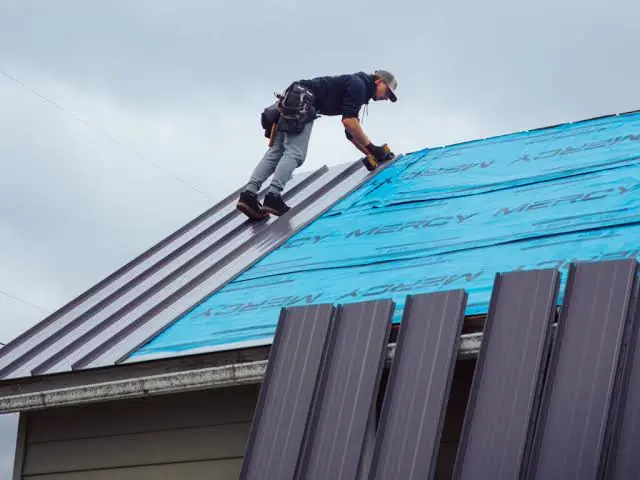
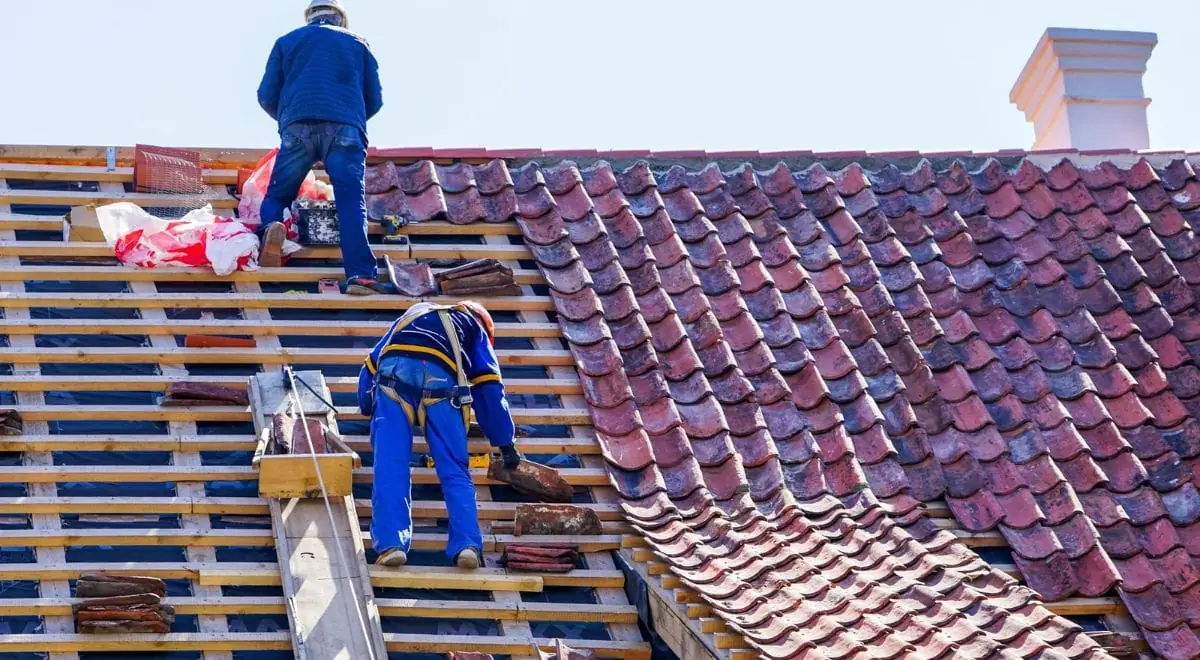
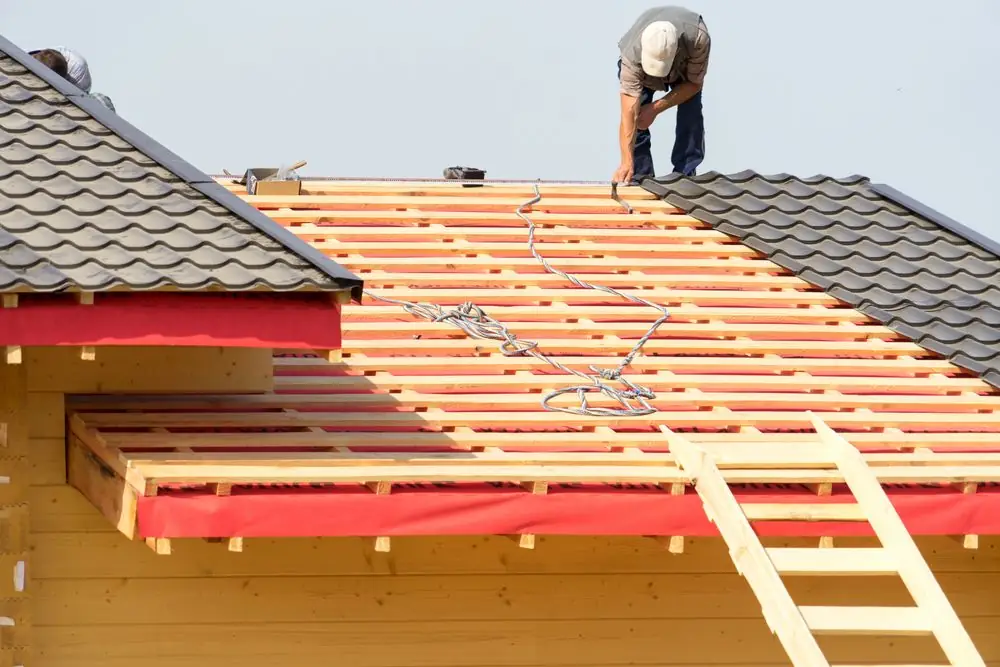
A true replacement leaves zero old felt paper, curled asphalt, or corroded valley metal behind on your roof frame. Reviewing the core roof replacement definition confirms that exposing bare wood sheathing is mandatory so carpenters can verify structural integrity before installing fresh materials.
Why partial replacements fall short of full jobs
Single-slope patches versus whole-roof systems
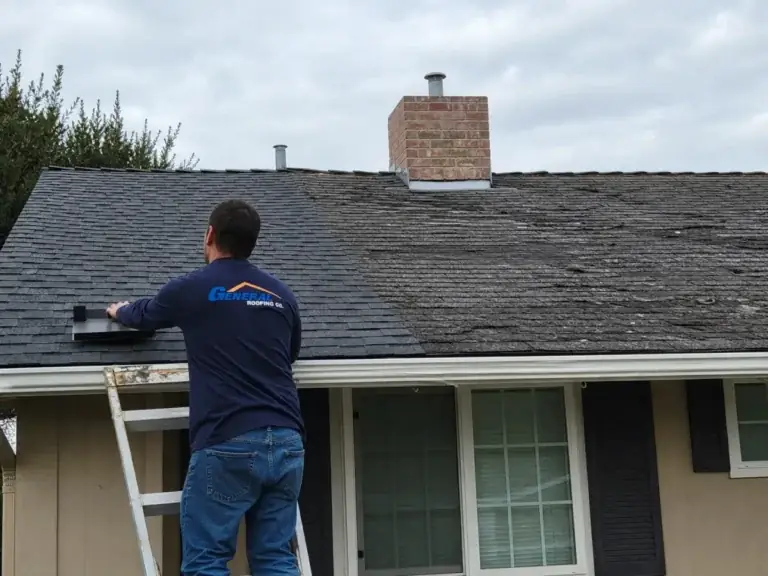
Replacing shingles on just one wind-damaged south slope solves immediate leaks, yet it leaves older north-facing materials vulnerable to hail and granule loss. Blending new architectural bundles with twenty-year-old shingles also creates noticeable color mismatches across ridge lines.
Hidden moisture beneath second-layer overlays
Nailing fresh shingles directly over an existing roof traps summer heat and adds thousands of pounds of dead weight onto rafters. Most shingle manufacturers reduce wind warranties on overlays because uneven underlying tabs prevent flat, secure sealing strips.
What a Full Roof Replacement Covers From Start to Finish
Tear-off, deck repairs, and new underlayment
Crews follow a strict sequence during a full rebuild so water cannot enter your attic at any stage of construction.
-
Property Protection and Tear-Off: Heavy tarps shield shrubs and siding while workers pry up old shingles, underlayment, and rusty nails into a roll-off dumpster.
-
Sheathing Inspection and Wood Replacement: Soft or delaminated OSB and plywood panels are cut out back to solid trusses and replaced with fresh exterior-grade boards.
-
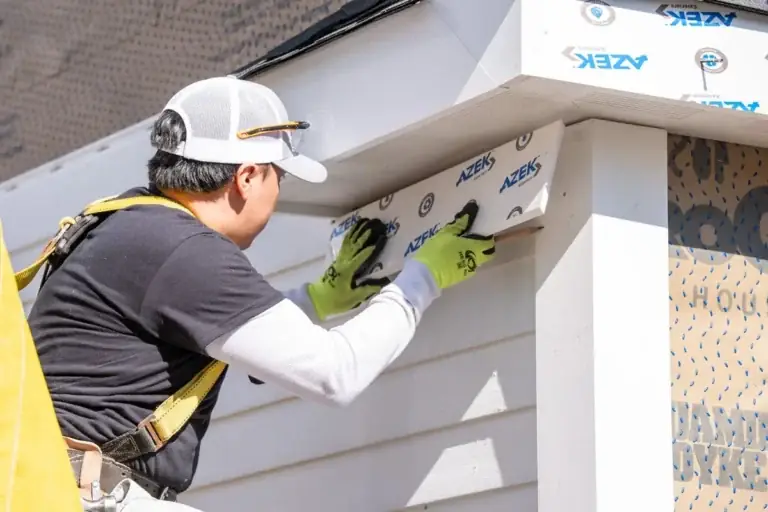
Ice Barrier and Synthetic Underlayment: Self-sealing rubberized ice shield goes along eaves and valleys, topped by tear-resistant synthetic felt across the remaining deck.
-
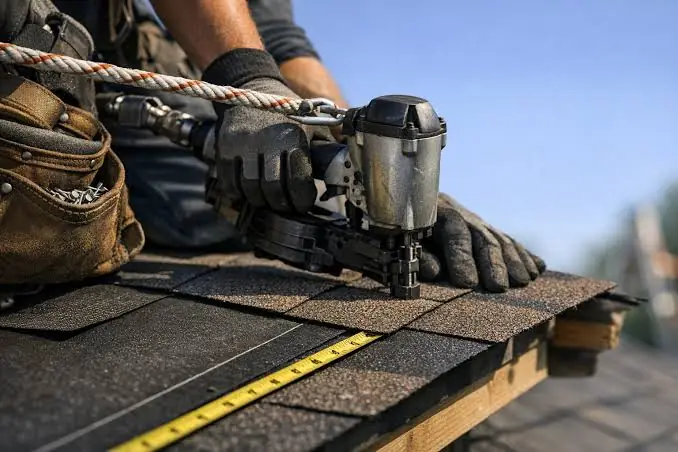
Starter Strips, Shingles, and Ridge Caps: Precision starter courses lock down perimeter edges before field shingles and ventilated ridge caps complete the weather barrier.
Flashing, vents, gutters, and cleanup details
Replacing step flashing, pipe boots, and drip edge
Old aluminum flashing around brick chimneys and dormer walls bends easily during tear-off and causes slow interior leaks if reused. Reputable roofers install brand-new 26-gauge galvanized steel step flashing, neoprene vent collars, and perimeter drip edge along every eave.
Exhaust ventilation balance and magnetic nail sweeps
Trapped attic heat bakes shingles from underneath and voids manufacturer warranties within a few summers. Installers cut continuous ridge slots to balance soffit intake vents, then roll wide magnetic bars across your lawn and driveway to collect stray nails.
How Long a Full Roof Replacement Takes
Typical timelines for average homes
Standard single-family asphalt installations
An experienced six-person roofing crew strips and rebuilds a typical 2,000-to-2,500-square-foot gable roof in one to two full days. Materials arrive via boom truck the morning before tear-off so installers start stripping shingles right at dawn.
Specialty standing seam metal or tile projects
Custom metal panels and heavy clay tiles require slower precision fastening and custom ridge fabrication. Expect standing seam metal or concrete tile replacements to span four to seven working days depending on trim details.
Weather and roof complexity factors
Rain delays and cold-temperature sealing
Roofers never strip bare wood decking when rainstorms threaten within four hours, because exposed plywood absorbs water rapidly. Asphalt shingle thermal seal strips also need ambient temperatures above 45°F to bond tightly against high winds.
Steep pitches, dormers, and multi-story access
Roofs pitched steeper than 7:12 require roof jacks, toe boards, and safety harnesses that slow crew movement by nearly 30%. Multiple valleys, skylights, and cramped backyard dumpster access add extra labor hours to the schedule.
What Full Roof Replacement Costs in Practice
Material choices that drive the price up or down
Architectural asphalt versus metal and slate
Mid-grade architectural fiberglass shingles remain the most popular choice nationwide because they balance 30-year durability with moderate material pricing. Upgrading to standing seam steel or synthetic slate doubles upfront material expenses while stretching service life past fifty years.
Navigating homeowners insurance claim terms
When hail or windstorms force a full rebuild, policy wording dictates how much your carrier reimburses after your deductible. Checking roof replacement coverage per policy meaning clarifies whether your plan pays full replacement cost value or deducts depreciation for roof age.
Labor, permits, and disposal fees explained
Municipal building permits and code inspections
City building departments charge $150 to $500 for reroofing permits and inspect deck nailing and drip-edge compliance before closing the file. Knowing your roof replacement coverage per endorsement meaning helps here too, because ordinance-or-law endorsements cover mandatory code upgrades during insured storm replacements.
Landfill tipping charges and plywood allowances
Tear-off debris from a double-layer asphalt roof can weigh over four tons, driving dumpster haul-away fees up by several hundred dollars. Guidelines from the National Roofing Contractors Association (NRCA) advise verifying per-sheet plywood replacement rates in writing before tear-off begins so hidden wood rot never triggers surprise billing disputes.
Frequently Asked Questions
What is the exact full roof replacement meaning compared to a roof-over?
A full roof replacement removes every existing layer of shingles, underlayment, and worn flashing down to bare wooden decking before installing a new roofing system. A roof-over simply nails new shingles on top of old ones without inspecting the underlying wood.
Does a full roof replacement always include new plywood decking?
Contractors inspect all exposed wooden decking after tear-off, replacing only rotted or water-damaged sheets rather than tearing out healthy wood. Most bids include two free sheets and bill $75 to $95 per additional 4×8 board installed.
How can I verify my contractor performed a full roof replacement?
Ask your project manager to take timestamped photos of the bare wooden roof deck and fresh synthetic underlayment before shingles go down. You can also check your driveway dumpster to confirm old felt paper and rusted metal flashing were stripped off.
Will my homeowners insurance pay for a full roof replacement?
Standard policies pay for a full replacement only when sudden storm events like hail, wind, or falling trees cause covered functional damage. Gradual wear, curling shingles, and neglected maintenance leaks are excluded from insurance payouts.
Confirm Every Step Before Signing Your Contract
Understanding the true full roof replacement meaning ensures you receive a complete tear-off, fresh metal flashing, and solid wooden decking rather than a hasty shortcut. Walk your property this week to note roof age and attic water stains, request three itemized bids specifying full deck exposure, and lock in your installation dates before peak storm season arrives.