Exterior Paint Alternatives: Durable Options for Every Home
Exploring exterior paint alternatives makes immediate financial sense once you add up the cost of scraping blistered clapboards every seven years. Homeowners can replace frequent repainting cycles with penetrating wood stains, acrylic stucco finishes, or factory-coated cladding panels that last decades without peeling. Four years ago, I stripped failing latex paint off a client’s cedar-shingled bungalow in Maine and switched the walls to a semi-solid oil stain, cutting their weekend maintenance routine down to a simple spring garden-hose rinse.
Exterior Paint Alternatives Worth Considering
Why paint isn’t your only option
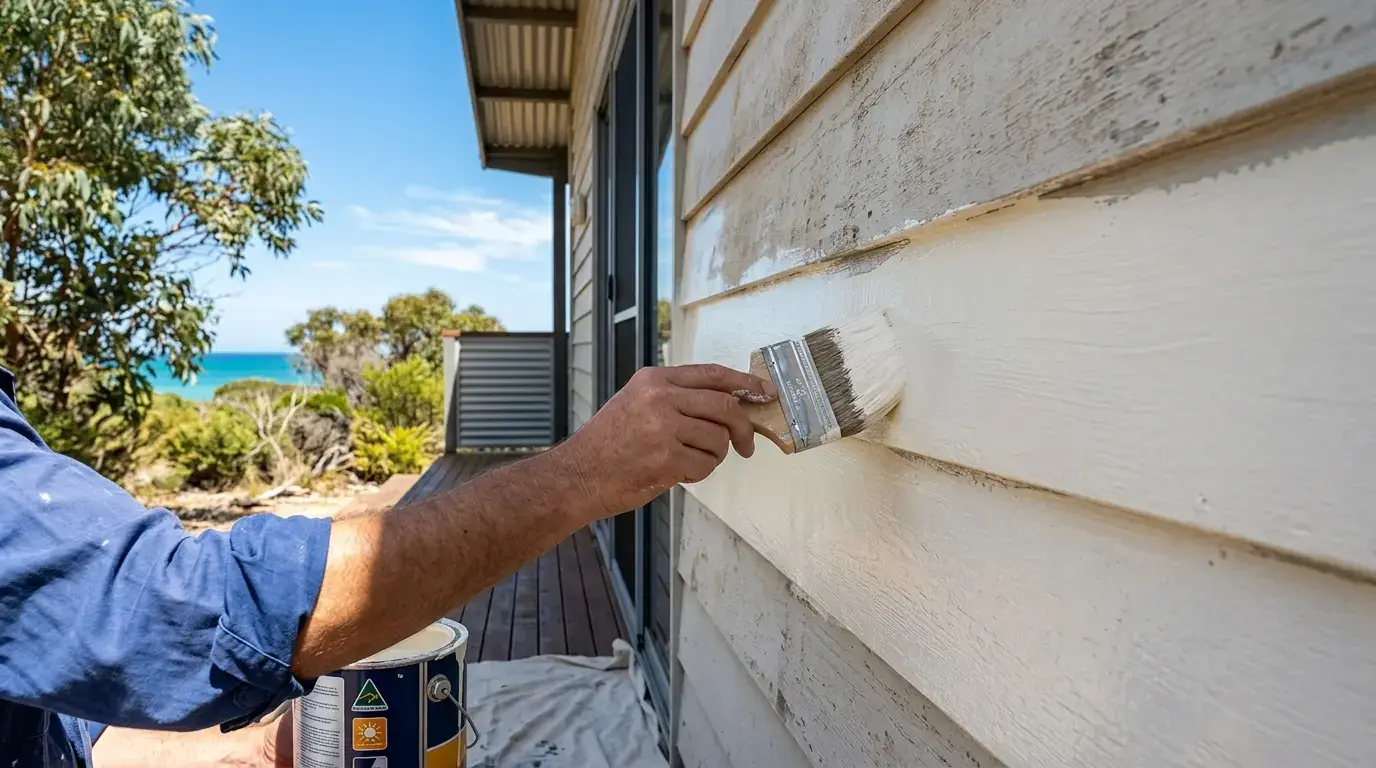
Traditional latex and alkyd house paints form a rigid surface film over wood, brick, or fiber cement. Moisture vapor trapped inside your wall cavity pushes outward against that film during sunny afternoons, causing ugly bubbles and flaking sheets.
-
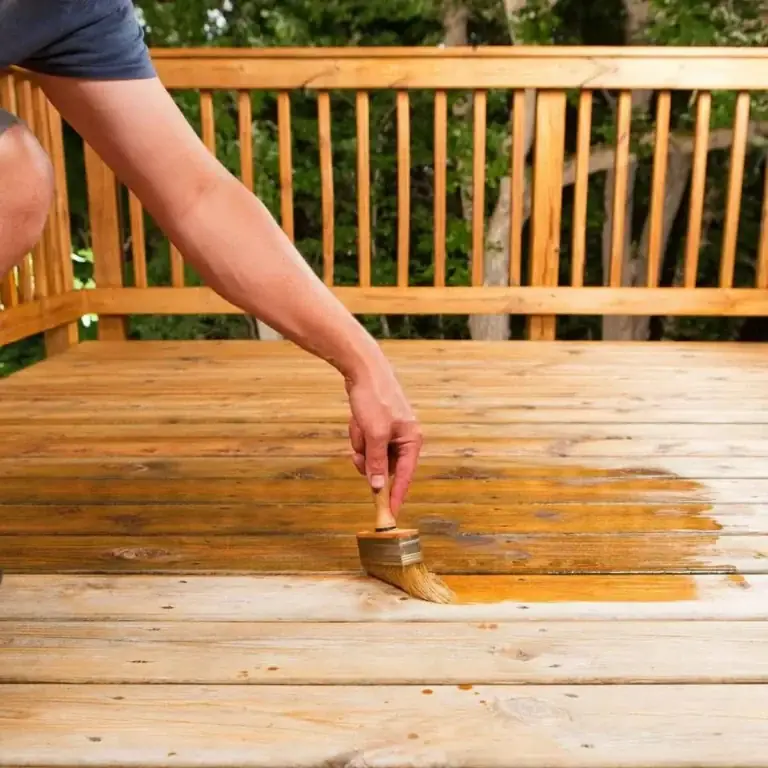
Penetrating Wood Stains: $2.00 to $4.50 per square foot applied, soaking deep into timber fibers without forming a peelable skin.
-
Mineral Limewash and Silicate Paints: $3.50 to $6.50 per square foot applied, bonding chemically with brick and masonry for 20+ years.
-
Elastomeric Acrylic Stucco: $6.00 to $11.00 per square foot installed, bridging hairline foundation cracks while resisting salt air.
-
Factory-Finished Fiber Cement Siding: $8.50 to $14.50 per square foot installed, carrying baked-on color warranties up to 15 years.
-
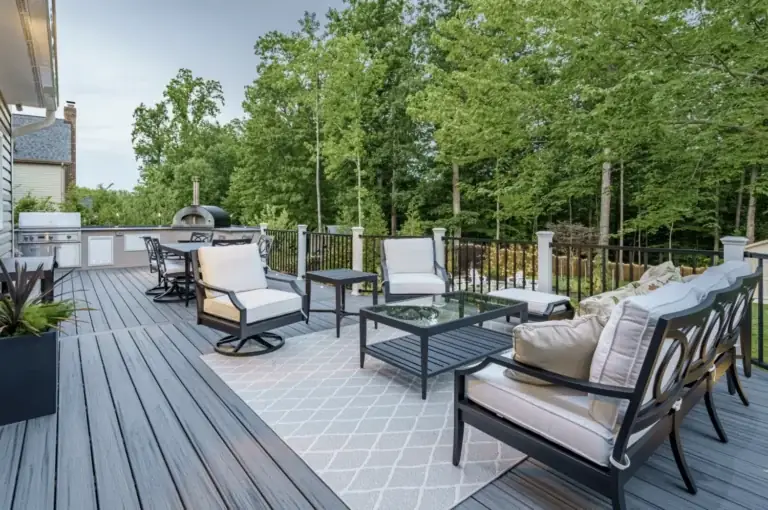
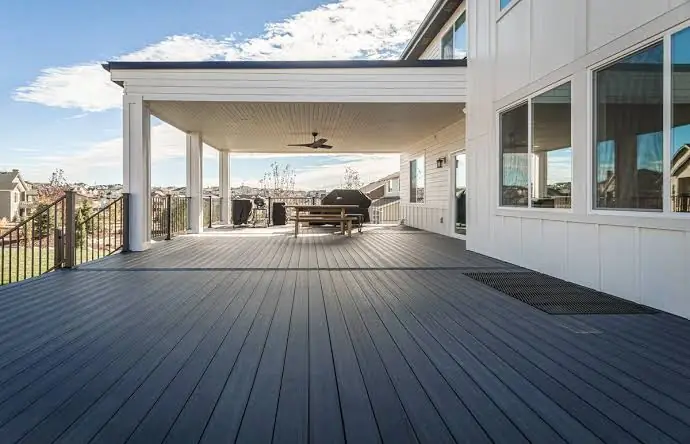
Standing Seam or Corrugated Steel Siding: $10.00 to $18.00 per square foot installed, delivering 40 to 60 years of zero-paint protection.
Matching the alternative to your siding material
Porous brick, stone, and concrete block
Masonry walls need breathable coatings so rainwater absorbed during storms can evaporate freely. Standard latex house paint traps dampness inside brick faces and leads to winter spalling, whereas potassium silicate mineral finishes petrify directly into the stone pores.
Aging cedar, pine, and redwood clapboards
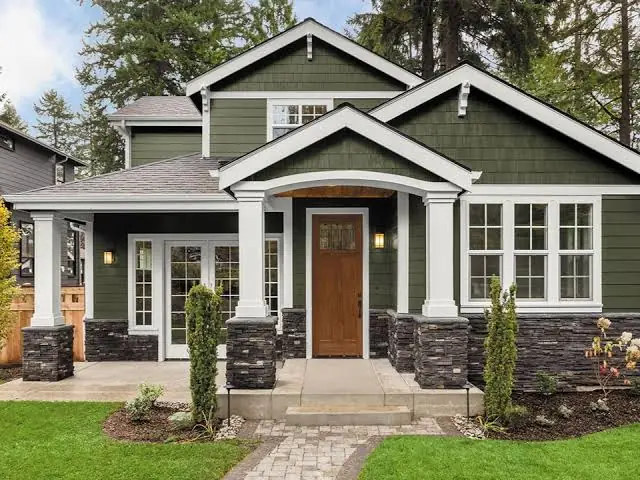
Softwood siding expands and contracts dramatically across humid summers and freezing winters. If your boards already hold three thick layers of old paint, chemical stripping may cost too much, making full siding replacement or house painting alternatives like vinyl re-cladding far more practical.
Stains, Stucco, and Rendered Finishes
Solid vs semi-transparent stain for wood siding
Semi-transparent oil and waterborne stains
Semi-transparent formulas highlight natural wood grain while blocking harmful ultraviolet rays with iron oxide pigments. Recoating takes minimal prep work every three to five years because worn stain fades gradually rather than chipping off in ragged flakes.
Solid-color acrylic deck and siding stains
Solid stains look nearly identical to flat house paint from the street, yet their thinner resin profile penetrates rough-sawn cedar without trapping moisture. Even when compared against top-rated ppg exterior paint reviews, solid-body stains win hands down on rough timber fences and board-and-batten barns where scraping is impossible.
Cost and upkeep of stucco finishes
Traditional three-coat cement stucco
Portland cement stucco applied over galvanized wire lath creates an impact-resistant shell that thrives in dry southwestern climates. Integral color pigments mixed straight into the final finish coat eliminate surface painting entirely for decades.
Synthetic EIFS and elastomeric topcoats
Modern acrylic-modified stucco flexes slightly with house settling, preventing spiderweb cracks around window corners. Annual pressure washing on a low fan setting keeps dust out of textured swirls without hiring a painting crew.
Siding and Panel Solutions That Skip Painting
Vinyl and fiber cement siding basics
Insulated vinyl clapboards with baked-in color
Modern thick-gauge vinyl panels carry UV-stabilized pigments all the way through the PVC core, so minor scratches never show a different color underneath. Homeowners skip scaffolding rentals completely, though dark charcoal shades can still warp if installed too tightly against sheathing.
Factory-primed and ColorPlus fiber cement
James Hardie and Allura boards resist termites, woodpeckers, and coastal rot while holding factory-baked finishes twice as long as field-applied brush coats. Research from the U.S. Department of Agriculture Forest Products Laboratory (FPL) demonstrates that factory-applied coatings cured under controlled heat outperform field-applied paints on wood and composite substrates because moisture levels stay tightly regulated during curing.
Metal panels for a modern low-maintenance look
Galvalume and Kynar-500 painted steel
Architectural steel siding coated with PVDF Kynar-500 resin resists chalking and fading for forty years under intense desert sun. Interlocking concealed-fastener panels shed heavy snow loads cleanly without rotting along bottom drip edges.
Weighing composite cladding against standard paint
Engineered wood panels like LP SmartSide blend zinc borate preservatives with factory acrylic finishes for rural and suburban homes. Reviewing broader exterior painting options alongside pre-finished cladding helps you decide whether one last coat of high-build primer buys enough time before a full exterior remodel.
Cost and Lifespan Compared to Repainting
Upfront investment vs long-term savings
Calculating a 25-year exterior ownership budget
Hiring a licensed crew to scrape, prime, and paint a 2,200-square-foot two-story home averages $5,500 to $9,000 every seven to eight years. Over twenty-five years, three full repainting cycles cost $18,000 to $27,000, easily matching the one-time expense of permanent fiber cement or brick veneer.
Hidden labor costs of ladder and lift rentals
Tall gable peaks over walkout basements often require $1,200 in hydraulic boom-lift rentals every time painters return. Switching to zero-peel cladding or mineral masonry stains eliminates recurring equipment fees from your household budget.
Which option adds the most resale value
Curb appeal return on investment at closing
Real estate appraisers and buyers immediately discount homes showing peeling window sills or chalky aluminum siding because they signal deferred maintenance. According to Zonda’s annual Cost vs. Value data, fiber cement siding replacement consistently ranks among the top exterior projects for recouping over 85% of project costs at resale.
Transferable manufacturer finish warranties
Pre-finished composite and steel siding brands frequently include 15-to-30-year transferable finish warranties that pass directly to the next buyer. Written warranty protection gives nervous homebuyers peace of mind during inspection negotiations.
Frequently Asked Questions
What are the cheapest exterior paint alternatives for wood siding?
Penetrating wood stains and mineral limewash offer the lowest upfront cost at $2.00 to $4.50 per square foot applied. Both options soak into porous surfaces rather than forming a thick film, which prevents expensive scraping and peeling later.
Can you apply exterior paint alternatives over existing painted siding?
Solid-color stains and high-build elastomeric coatings can adhere over intact, clean latex paint after thorough power washing and dulling glossy spots. Penetrating oils and mineral limewashes require bare wood or unpainted masonry so they can absorb properly.
Which low-maintenance siding lasts longest without repainting?
Factory-coated steel panels with Kynar-500 finishes and natural brick or stone veneer easily last 40 to 75 years without needing paint. Fiber cement siding with baked-on factory color ranks right behind them, typically going 15 to 20 years before needing a refresh coat.
Does limewash work as an exterior paint alternative on brick?
Authentic slaked-lime wash works exceptionally well on unpainted clay brick and stone because it calcifies directly onto the mineral surface. It allows trapped moisture vapor to breathe out naturally while creating a soft, matte European finish that ages gracefully.
Plan Your Low-Maintenance Exterior Upgrade
Choosing the right exterior paint alternatives frees your weekends from endless ladder work and protects your home’s sheathing from moisture rot. Inspect your current siding for peeling or soft wood this week, order sample swatches of penetrating stain or factory-finished panels, and request three itemized quotes from local exterior specialists before scheduling your project.