Alternatives to Painting House Exterior: Long-Lasting Upgrades
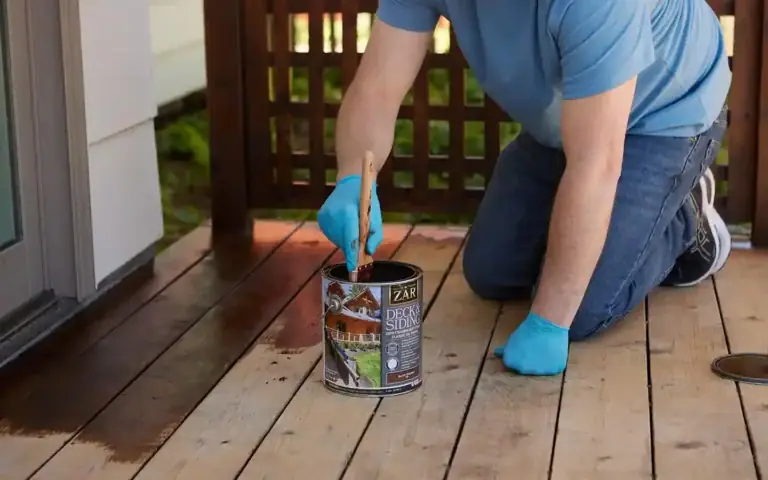
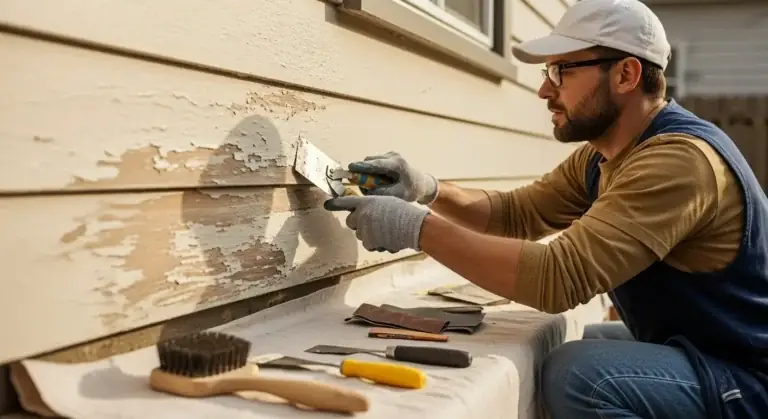
Searching for alternatives to painting house exterior siding becomes urgent once peeling clapboards and ladder rentals start draining your budget every seven years. Homeowners can replace short-lived latex paint films with penetrating wood stains, breathable mineral limewash, or factory-coated cladding panels built to last decades. Two summers ago, I helped my uncle strip failing paint off his cedar-sided lake cabin in Michigan and switch to a semi-solid oil stain, turning a grueling week of scraping into an easy weekend brush job.
Best Alternatives to Painting House Exterior Surfaces
Why homeowners move away from paint
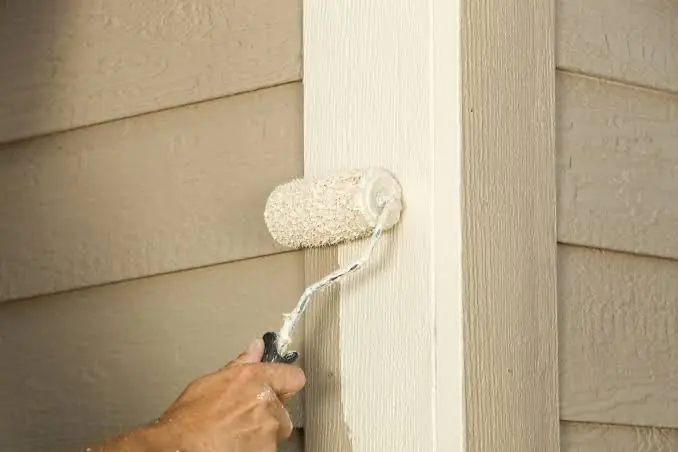
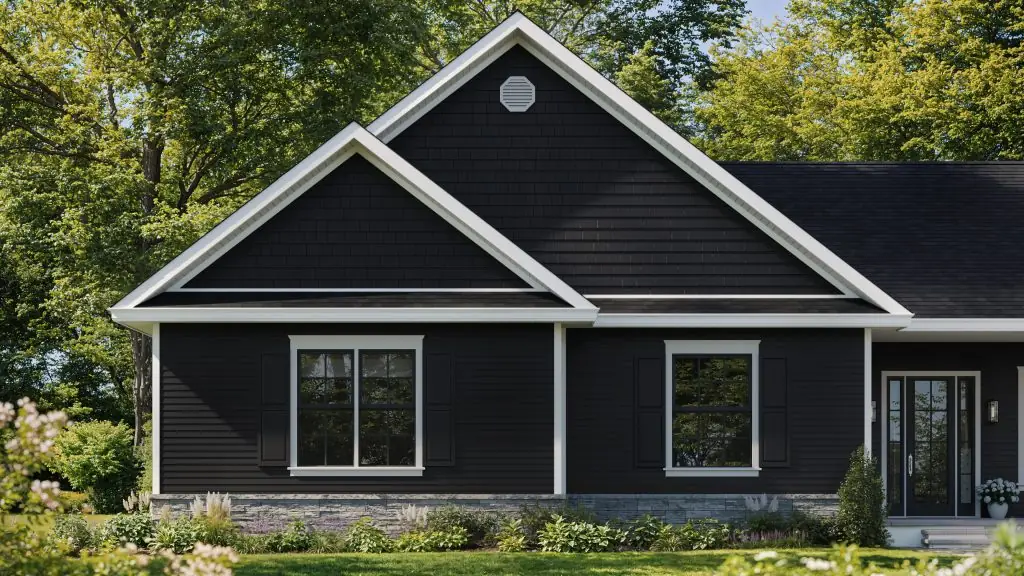
Standard exterior house paints create a sealed plastic-like skin over wood, brick, or stucco. Whenever indoor humidity or rain sneaks behind that film, summer heat forces moisture vapor outward and blisters the paint right off the wall.
-
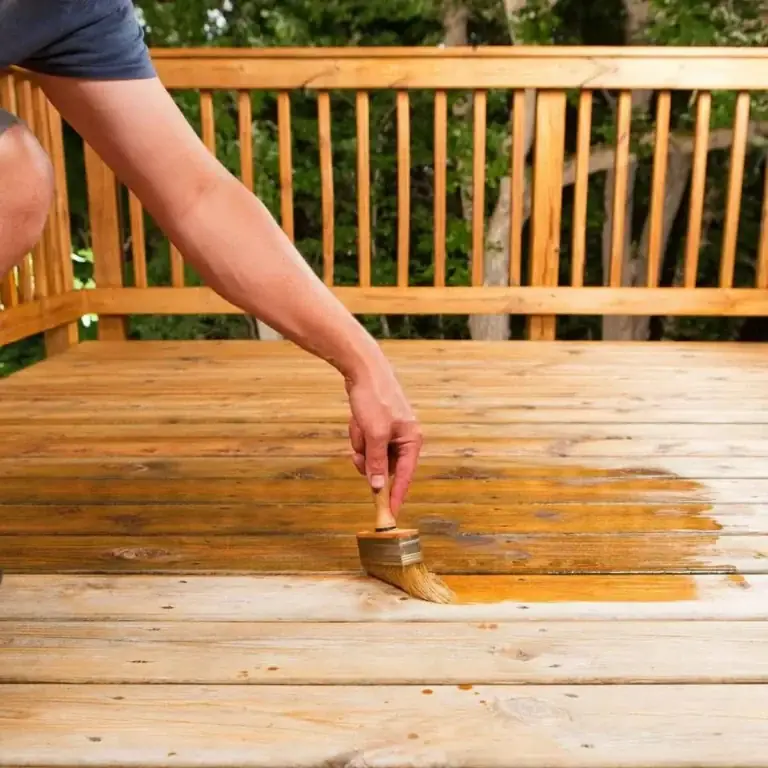
Penetrating Oil or Acrylic Wood Stain: $2.00 to $4.25 per square foot applied, soaking deep into timber pores without forming a peelable layer.
-
Slaked-Lime Wash and Silicate Mineral Paint: $3.50 to $6.50 per square foot applied, calcifying directly onto porous brick and stone for 20+ years.
-
High-Build Elastomeric Masonry Coating: $4.50 to $8.00 per square foot applied, stretching over hairline stucco cracks while blocking wind-driven rain.
-
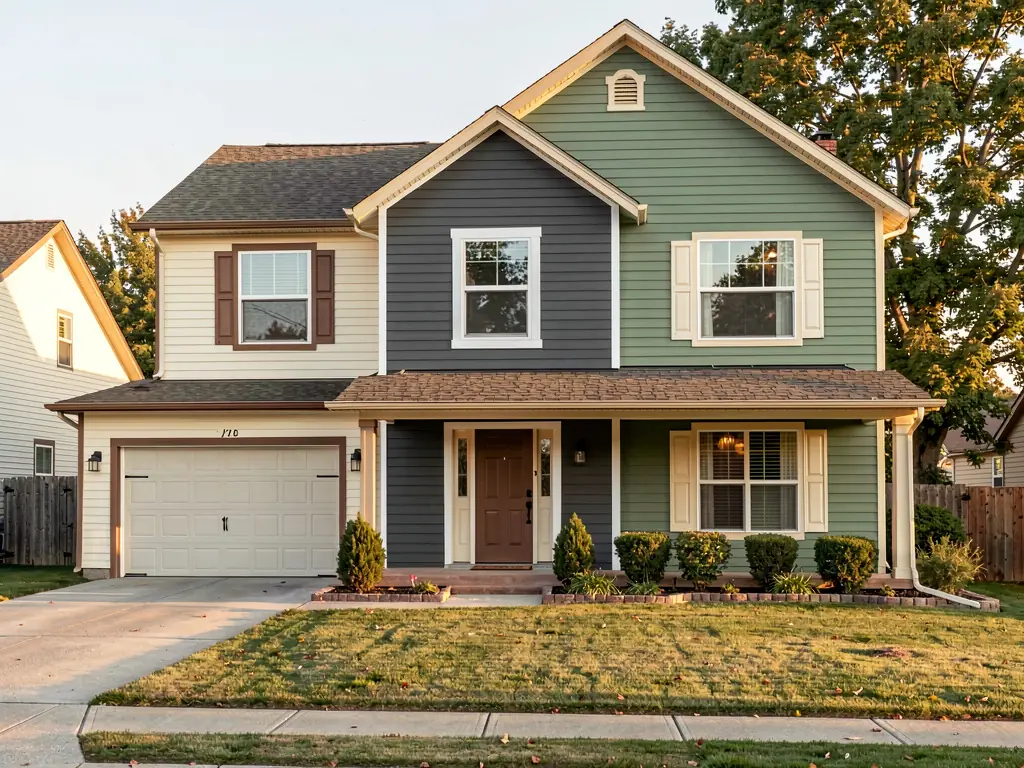
Factory-Finished Fiber Cement Planks: $8.50 to $14.50 per square foot installed, carrying baked-on color warranties up to 15 years.
-
Insulated Vinyl or Steel Siding Panels: $6.00 to $17.00 per square foot installed, eliminating exterior brushwork for 30 to 50 years.
Matching the solution to your siding type
Porous brick, stone, and mortar joints
Traditional clay brick must breathe so absorbed rainwater can evaporate naturally through the masonry face. Potassium silicate mineral paints and slaked-lime washes bond chemically with stone pores without trapping dampness inside your walls.
Weathered wood clapboards and cedar shakes
Older timber siding expands and shrinks constantly across humid summers and freezing winters. If your boards already hold multiple flaking paint layers, checking broader exterior paint alternatives helps you decide between stripping down to bare wood or covering the exterior with new cladding.
Staining and Natural Wood Finishes
Semi-transparent vs solid stains
Semi-transparent penetrating oils for natural grain
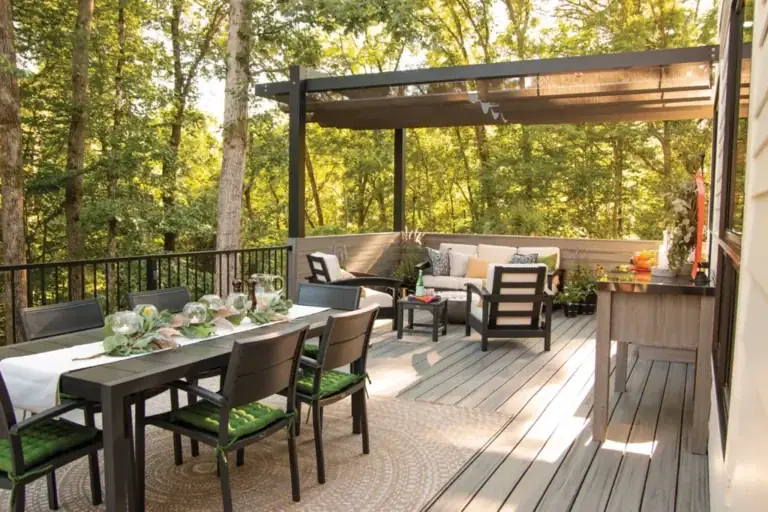
Semi-transparent formulas highlight cedar and redwood grain patterns while blocking ultraviolet rays with iron-oxide pigments. Recoating takes minimal surface prep every three to five years because aged stain fades evenly rather than chipping off in ragged flakes.
Solid-color acrylic stains for previously painted wood
Solid stains deliver rich, opaque coverage similar to flat house paint, yet their thinner resin profile penetrates rough wood fibers cleanly. Even when compared against top-performing formulas in ppg exterior paint reviews, solid stains outperform thick paints on rough-sawn board-and-batten siding where scraping is nearly impossible.
How long a good stain job lasts
Sun exposure on south and west elevations
South-facing walls absorb relentless ultraviolet radiation that breaks down stain binders faster than shaded north exposures. Applying two wet-on-wet coats on sun-drenched walls extends protection by two extra years before a light maintenance coat is needed.
Proper wood moisture testing before application
Fresh cedar or pressure-treated pine must dry below 15% internal moisture content before any stain touches the boards. Research from the U.S. Department of Agriculture Forest Products Laboratory (FPL) shows that mill-glazed or damp wood rejects penetrating finishes, causing premature wash-off within twelve months.
Siding Replacements and Overlay Systems
Fiber cement and vinyl siding basics
Baked-on ColorPlus fiber cement boards
Factory-finished fiber cement planks like James Hardie ColorPlus undergo multi-coat curing inside climate-controlled plants. These boards resist termites, woodpeckers, and coastal rot while holding vibrant color twice as long as field-applied house paint.
Thick-gauge insulated vinyl re-siding
Heavy-duty 0.046-inch vinyl siding features UV-stabilized pigments running completely through the PVC panel, hiding minor scratches automatically. Homeowners exploring house painting alternatives often pick insulated vinyl because foam backing boosts wall R-value while eliminating ladder maintenance forever.
Durable coating systems that mimic paint
Elastomeric acrylic coatings on stucco
Stucco homes frequently develop fine spiderweb cracks as foundations settle over time. Thick elastomeric coatings bridge gaps up to 1/16-inch wide and flex with seasonal temperature swings without splitting open.
Ceramic-infused architectural wall coatings
Specialty textured wall coatings sprayed by licensed applicators create a breathable, mildew-resistant membrane three times thicker than standard latex paint. While initial installation costs more than routine painting, these systems carry 20-to-25-year manufacturer warranties against flaking.
Weighing Costs, Maintenance, and Home Value
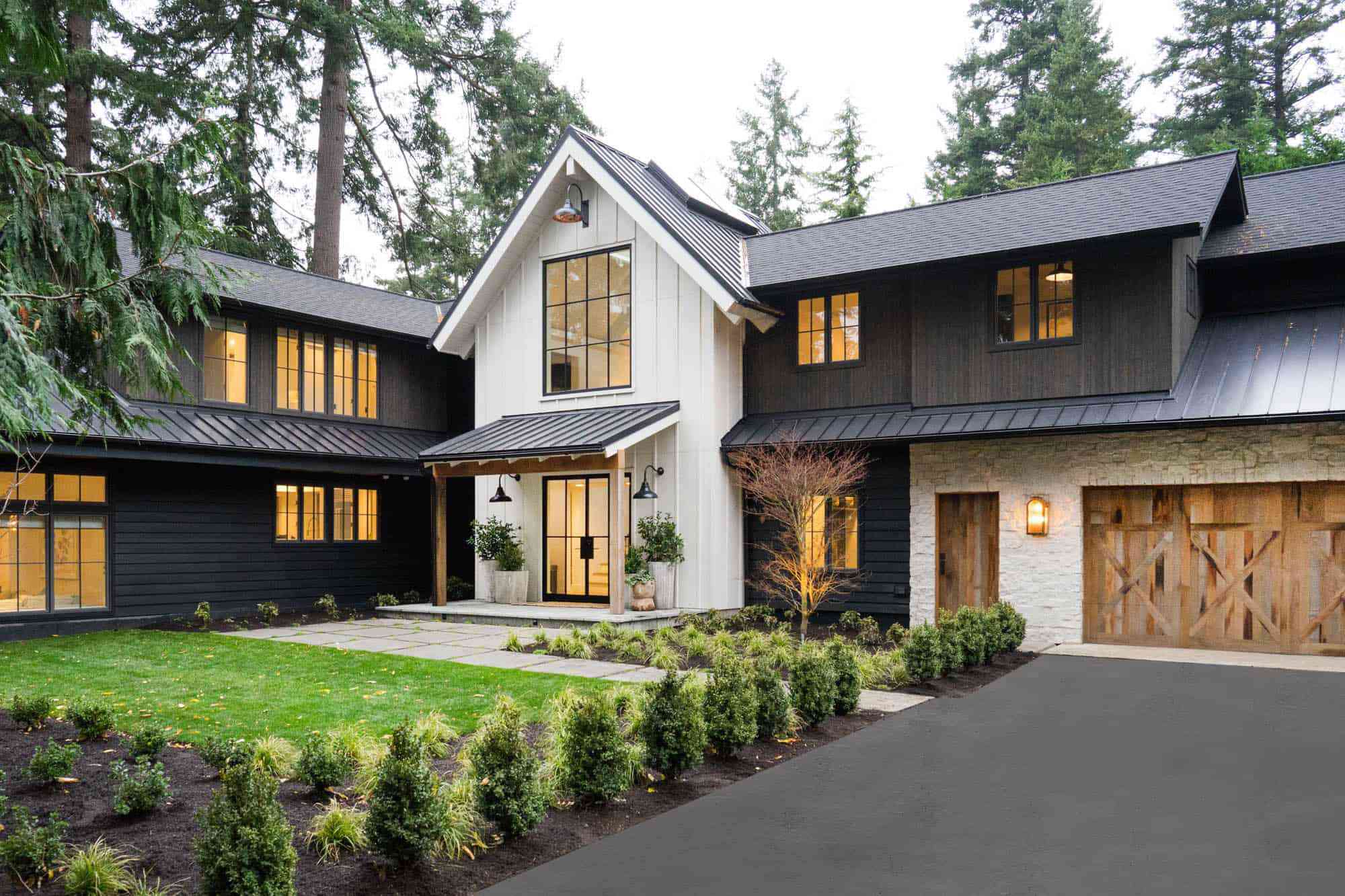
Long-term savings of each alternative
Comparing a 25-year exterior budget
Hiring a crew to wash, scrape, caulk, and repaint a 2,300-square-foot home averages $5,500 to $9,000 every seven years. Across twenty-five years, three full repainting cycles drain $18,000 to $27,000 from your savings, easily rivaling a one-time cladding or mineral finish upgrade.
Eliminating recurring scaffolding and lift rentals
Multi-story homes built on sloped lots often require $1,200 in hydraulic boom-lift rentals each time painters return. Switching to zero-peel cladding or breathable mineral stains removes heavy equipment fees from your long-term home upkeep plan.
Which upgrades appeal most to buyers
Strong resale payback on fiber cement and stone
Homebuyers quickly lower their offers when inspection reports flag peeling window sills or exposed bare wood. According to Zonda’s annual Cost vs. Value Report, fiber cement siding replacement consistently ranks among the highest-return exterior remodels, recouping over 85% of project costs at closing.
Transferable finish warranties during home sales
Factory-coated composite, steel, and fiber cement siding brands include 15-to-30-year transferable finish warranties that pass smoothly to the next owner. Written warranty documentation reassures nervous buyers that exterior maintenance bills stay low for years ahead.
Frequently Asked Questions
What are the cheapest alternatives to painting house exterior wood siding?
Penetrating oil stains and solid-color acrylic stains offer the lowest upfront cost at $2.00 to $4.25 per square foot applied. Both options soak directly into wood fibers instead of forming a thick film, saving thousands in future scraping labor.
Can you apply alternatives to painting house exterior walls over existing paint?
Solid-color siding stains and elastomeric stucco coatings can be applied over clean, firmly bonded latex paint after thorough washing and dulling glossy spots. Penetrating wood oils and authentic limewash require bare wood or unpainted masonry so they can absorb properly.
Which exterior finish lasts longest without needing repainting?
Natural brick, stone veneer, and Kynar-500 painted steel siding last 40 to 75 years with virtually zero maintenance beyond occasional garden-hose rinsing. Factory-finished fiber cement siding ranks right behind them, holding its baked-on color for 15 to 20 years.
Is limewash a good alternative to painting exterior brick?
Slaked-lime wash works exceptionally well on unpainted clay brick because it calcifies onto the mineral surface and lets trapped moisture evaporate naturally. Unlike latex paint, limewash never traps water inside brick faces or causes winter spalling.
Choose a Lasting Finish for Your Home Exterior
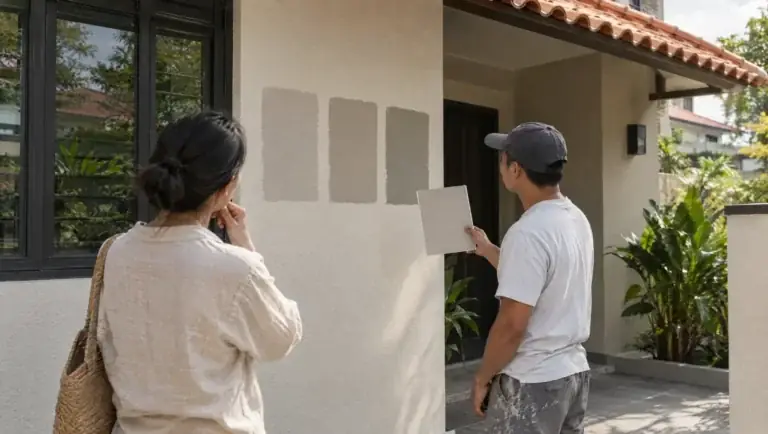
Selecting proven alternatives to painting house exterior surfaces protects your sheathing from water damage while freeing your weekends from endless scraping. Inspect your walls for peeling paint or soft trim this week, order sample swatches of penetrating stain or factory-coated cladding, and request three itemized quotes from licensed exterior specialists before scheduling your project.