Roof Replacement Coverage Per Policy Meaning: Home Guide
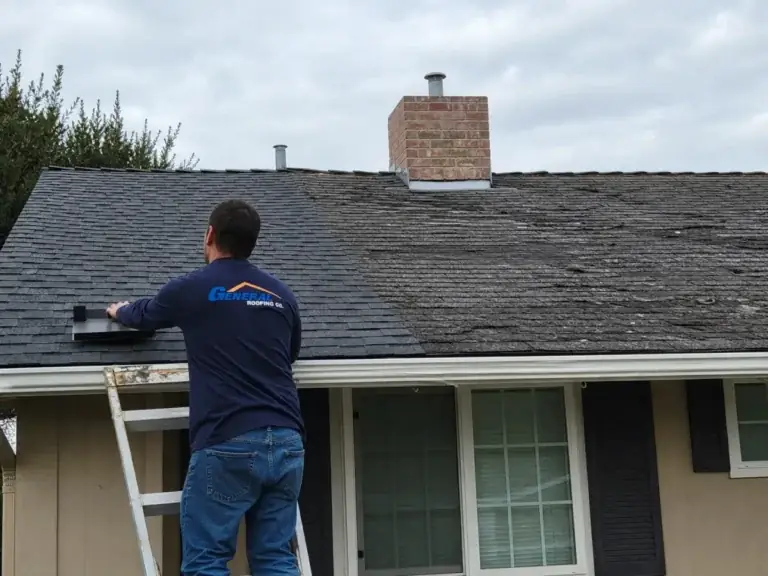
Understanding roof replacement coverage per policy meaning protects homeowners from unpleasant financial shocks after hailstorms or wind damage tear through a neighborhood. This phrase describes the baseline payout rules written directly into your homeowners insurance contract when a covered event damages your roof. Two winters ago, I sat with a friend in suburban Ohio whose fifteen-year-old shingle roof took heavy hail damage, only to learn his policy paid actual cash value instead of full replacement cost, leaving him short by nearly $6,200.
Roof Replacement Coverage Per Policy Meaning in Context
What standard policies typically pay for
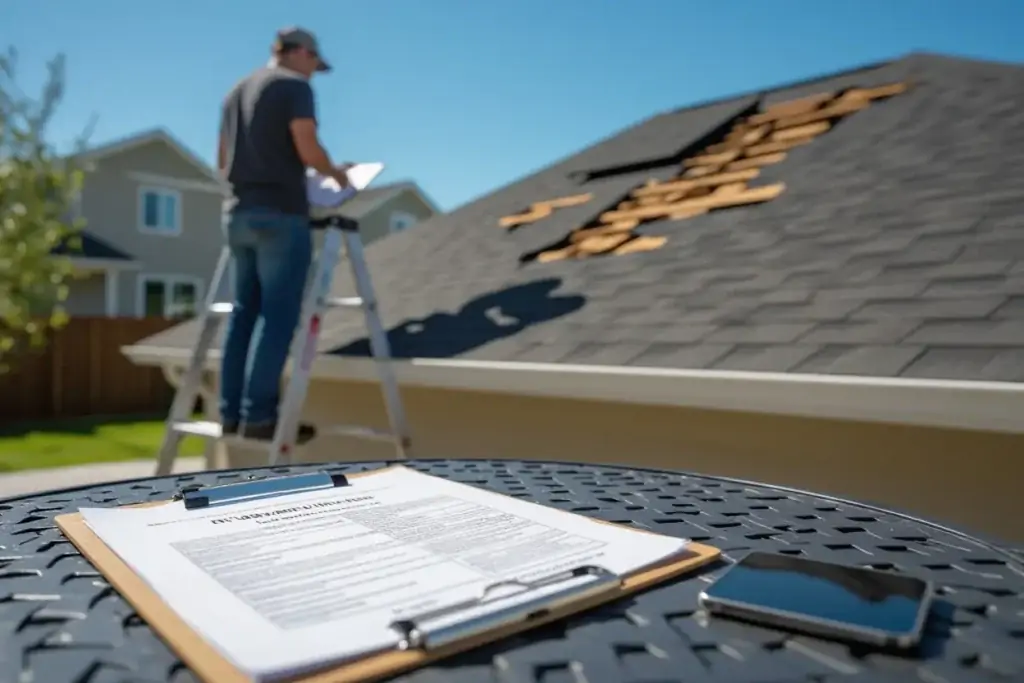
Most base homeowners policies (such as an HO-3 form) cover sudden, accidental damage from named storms, falling trees, or fire. Once a covered peril damages your roof beyond simple patching, insurers evaluate whether your contract pays full replacement cost or a depreciated figure. Checking the baseline roof replacement definition helps you see where a complete tear-off starts and how claim scopes get measured.
-
Sudden Storm and Hail Impact: Covered under standard dwelling protection when wind or hail creates functional leaks or breaches waterproofing layers.
-
Debris Removal and Tear-Off Labor: Included within coverage limits when old damaged shingles must come off before fresh materials go down.
-
Normal Wear and Aging: Excluded from base policies, because gradual granule loss or brittle shingles count as routine maintenance rather than an accident.
-
Neglected Maintenance Leaks: Denied when long-standing roof leaks stem from skipped gutter cleaning or ignored rot.
How depreciation affects your settlement
Age-based wear and tear deductions
Every roofing material loses useful service life from sun exposure, rain, and seasonal temperature swings. Insurance adjusters calculate depreciation based on roof age and remaining lifespan, reducing payouts on older roofs under cash-value terms.
Holdbacks on replacement cost claims
Even when your policy grants replacement cost coverage, insurers often release an initial check minus depreciation first. You collect that remaining holdback after completing the full roof replacement meaning and sending final paid invoices from a licensed contractor.
Policy Types and How They Handle Roofs
Replacement cost versus actual cash value policies
Replacement Cost Value (RCV) basics
An RCV policy pays what it costs today to install new materials of comparable kind and quality, minus your deductible. While premiums run higher than cash-value plans, RCV protects your savings when storm damage hits an older roof.
Actual Cash Value (ACV) basics
An ACV policy factors depreciation straight into the settlement, paying only the depreciated market value of your worn roof. On a twelve-year-old architectural shingle roof, an ACV payout can fall thousands of dollars short of a full replacement bill.
Named peril versus open peril roof coverage
Open peril dwelling protection
Open peril coverage protects your home structure against all risks unless the policy specifically excludes that cause of loss. Most standard HO-3 policies use open peril rules for the dwelling itself, though wind or hail deductibles may still apply separately.
Named peril limitations and add-on riders
Named peril policies pay only for damage caused by specific hazards listed in the contract, such as fire, lightning, or windstorm. Riders also reshape how base terms apply, so reading roof replacement coverage per endorsement meaning alongside your main policy prevents missed exclusions.
Steps to Verify Your Roof Coverage Today
Requesting your full policy declarations page
Checking dwelling limits and wind deductibles
Pull out your current declarations page and verify your Coverage A dwelling limit alongside any separate wind or hail deductible. Percentage deductibles tied to 2% or 5% of dwelling value can mean paying $6,000 to $15,000 before insurance pays a dime.
Confirming roof age recorded on file
Insurers sometimes list an inaccurate roof installation date based on home purchase records rather than actual roofing work. Call your carrier to verify the exact date on file so your roof is not misclassified as older than it really is.
Asking your agent the right questions
Asking whether roof coverage is RCV or ACV
Ask your agent directly whether roof losses settle at replacement cost or actual cash value, and whether any roof age schedule applies. Information from the Insurance Information Institute (III) highlights how policy terms and deductibles directly shape storm claim outcomes, making clear answers vital before severe weather arrives.
Checking ordinance or law code upgrades
Ask whether your policy includes ordinance or law coverage for required drip edge, ice barrier, or ventilation upgrades. Local building codes often require these improvements during a replacement, and add-on coverage helps keep those extra costs off your shoulders.
Filing a Claim That Supports Full Replacement
Documenting damage with photos and reports
Keeping maintenance logs and weather records
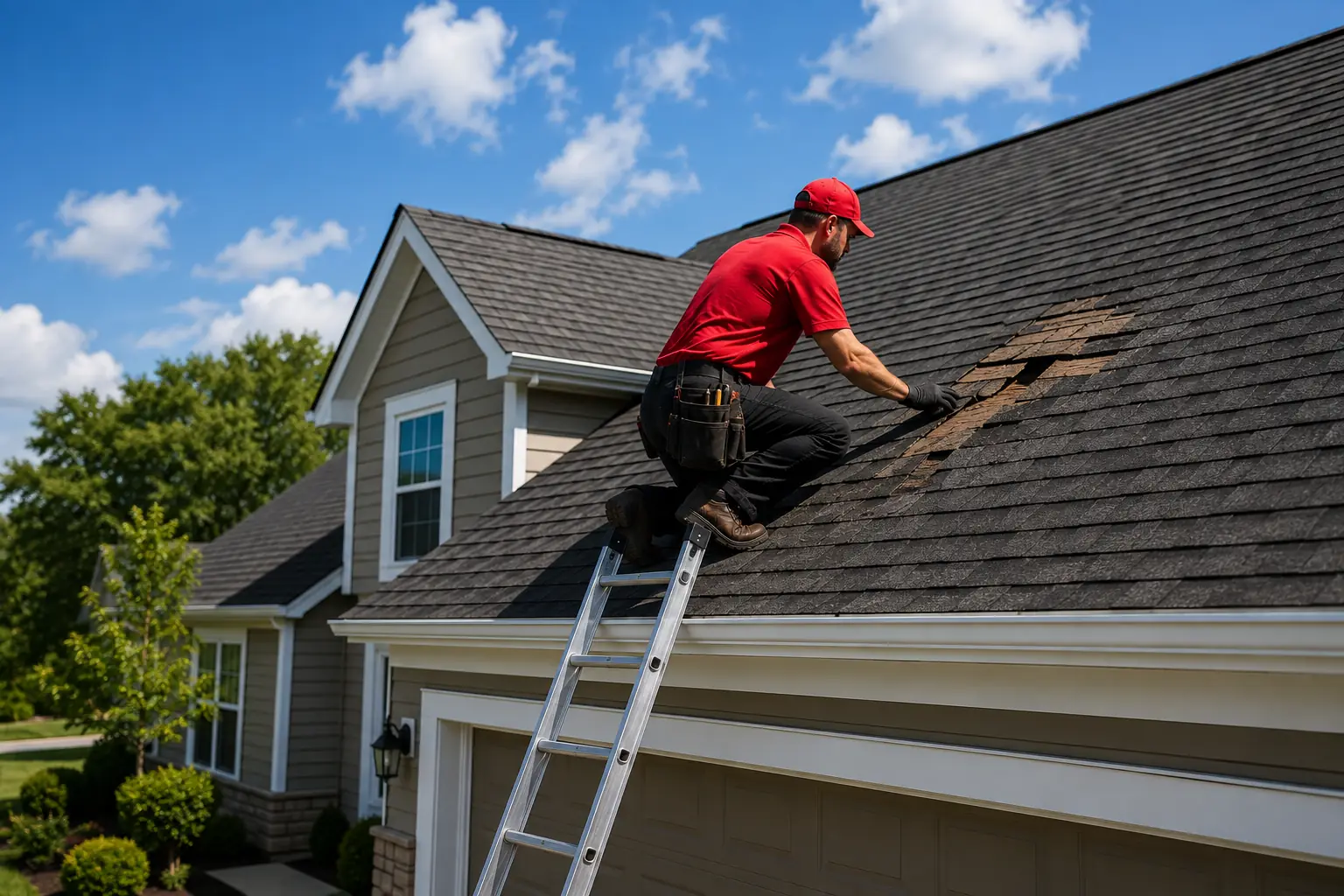
Save dated photos of your roof in good condition along with receipts for inspections, flashing repairs, and gutter work. After a storm, take clear wide and close-up photos of bruised shingles, lifted tabs, and interior ceiling stains right away.
Having a contractor present during inspection
Ask a reputable local roofer to meet the insurance adjuster during the property inspection when possible. A knowledgeable contractor can point out functional storm damage across every slope so nothing gets overlooked.
Working with public adjusters when needed
When an independent adjuster makes sense
Complex multi-slope damage, disputed hail findings, or stalled claim negotiations sometimes prompt homeowners to hire a licensed public adjuster. Public adjusters represent you rather than the insurer, though they charge a percentage of the claim settlement.
Weighing fees against potential recovery
Before signing any public adjuster agreement, review their fee percentage and confirm state licensing credentials. On smaller claims with narrow margins, working directly with your roofer and insurer may leave more money in your pocket.
Frequently Asked Questions
What is the simplest roof replacement coverage per policy meaning?
It refers to the specific payout rules, depreciation terms, and deductibles stated in your homeowners insurance policy for replacing a damaged roof. Those contract rules determine whether your insurer pays full current replacement cost or a depreciated value.
Does a standard homeowners policy cover an old roof?
Age alone does not disqualify a roof from coverage if sudden storm damage occurs, though older roofs often face actual cash value rules or depreciation schedules. Gradual wear and lack of maintenance remain excluded regardless of roof age.
Why does my deductible matter so much on a roof claim?
Your deductible gets subtracted from the approved claim payout before your insurer writes the check. If you carry a percentage wind or hail deductible, that out-of-pocket share can be much higher than a flat dollar deductible.
How can I switch from actual cash value to replacement cost roof coverage?
Contact your insurance agent or compare quotes from competing carriers to see if your roof qualifies for replacement cost coverage. Carriers often base eligibility on roof age, shingle condition, and local storm risk.
Review Your Policy Before Storm Season Hits
Checking roof replacement coverage per policy meaning today gives you clear facts before hail or high winds test your roof. Pull up your declarations page this week, confirm whether your roof carries replacement cost or actual cash value terms, and ask your agent to update any outdated roof age records before filing a claim.