How to Stain a Wood Deck: Step-by-Step Prep and Finish Guide
Learning how to stain a wood deck properly saves you from peeling planks and wasted weekends next spring. Two summers ago I stripped and recoated a weathered 320-square-foot cedar deck in Denver, watching afternoon sun bake dry boards while shady stairs stayed damp until noon. That weekend taught me how prep, wood moisture, and steady brush strokes determine whether a finish lasts four years or four months. Homeowners tackling this job need practical steps before buying gallons or renting sanders.
Reviewed by Daniel Dawson, Travel Specialist, after years of inspecting outdoor wood projects and tracking weather wear across residential decks.
What Makes the Best Pokémon Deck Builder Stand Out
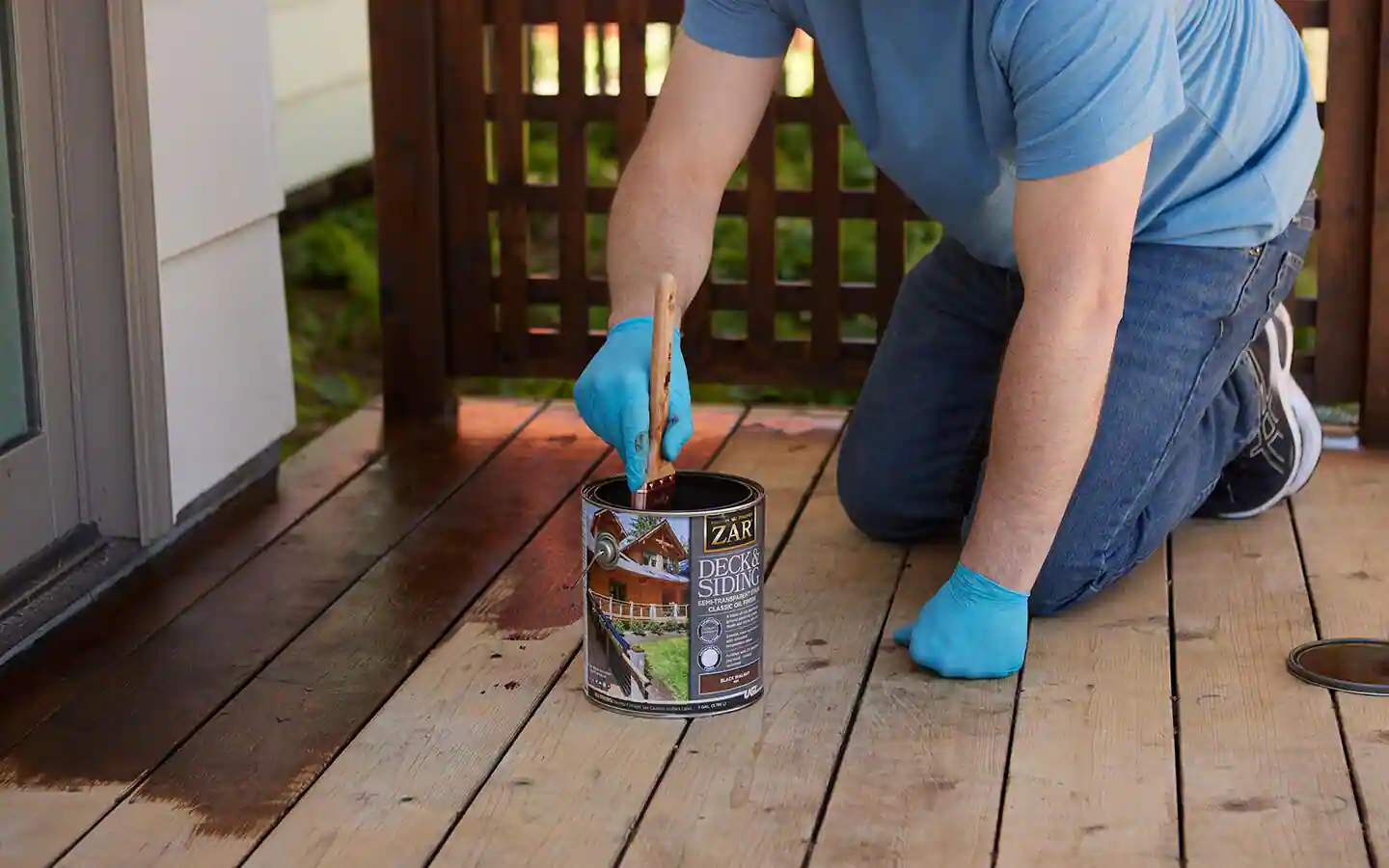
Mastering how to stain a wood deck starts with choosing reliable products and organizing your workflow just like assembling a well-tuned card list. Good exterior stains soak into open timber pores, letting vapor escape while blocking direct rain and harsh UV rays. Research from the USDA Forest Service Wood Handbook confirms that outdoor planks swell and shrink constantly with humidity changes, making breathable coatings critical for board longevity.
Card database accuracy and update speed
Checking current product labels and batch details prevents costly mismatches before you open a single can. Manufacturers update VOC limits and resin blends regularly, so reading fresh technical sheets keeps your project compliant and predictable.
Matching Stain Formulas to Wood Species
Softwoods like cedar, redwood, and pressure-treated pine absorb penetrating oils differently than dense tropical hardwoods. Always check the label’s recommended wood types before purchasing five-gallon pails.
Estimating Gallon Coverage Accurately
Most smooth deck planks cover around 200 to 300 square feet per gallon, while rough-sawn boards drink up more liquid. Measuring railings, steps, and fascia boards ensures you buy enough stain from the same batch.
Simulated draws and hand testing features
Testing a small sample patch on a hidden board reveals true color and absorption speed before you commit to the whole patio. That quick test saves frustration when raw timber turns darker or redder than the store swatch.
Running the Water-Bead Test
Sprinkling a few drops of water onto clean timber shows whether old sealers still block penetration. If water beads up instead of soaking in within ten minutes, old finish remains on the surface.
Checking Color Under Natural Daylight
Hardware store fluorescent bulbs distort warm brown and cedar tones dramatically. Viewing your sample board outside in morning sun and afternoon shade prevents unpleasant surprises.
Top Free Pokémon Deck Builders Worth Your Time
Free planning tools, moisture meters, and manufacturer guides help you map out every stage without hiring an expensive contractor. Many homeowners also compare exterior paint alternatives when deciding between penetrating stains and solid film coatings.
PTCG Live for official testing and matchmaking
Real-world weather testing happens right on your back porch once rain and foot traffic hit fresh stain. Watching how water beads off steps after an overnight storm confirms whether your prep work succeeded.
Measuring Wood Moisture Levels
Pin-style moisture meters cost around $25 to $45 at local hardware stores and remove all guesswork. Most stain manufacturers require wood moisture readings below 15 percent before coating begins.
Timing Around Dry Weather Windows
Applying stain right before a rainstorm washes fresh pigment across concrete patios and ruins curing. Look for two or three dry days with temperatures between 50°F and 85°F.
Community sites with meta deck libraries
Local hardware pros, neighborhood forums, and contractor guides share honest feedback on which cans hold up after harsh winters. Reading ppg exterior paint reviews also helps compare how commercial exterior lines perform under tough exposure.
Comparing Semi-Transparent and Solid Stains
Semi-transparent formulas highlight natural wood grain while adding moderate UV pigment. Solid stains hide weathered patches and mismatched repairs cleanly, though they behave closer to thin paint.
Coordinating Deck Colors With Siding
Deck boards sit directly against exterior walls, trim, and foundation skirting. Browsing house painting alternatives helps you align deck tones with the rest of your home’s exterior palette.
How to Build a Competitive Pokémon Deck Step by Step
A lasting deck finish follows a strict sequence from deep cleaning to final back-brushing. Rushing straight to staining over pollen, algae, or mill glaze guarantees early peeling.
Choosing your main attacker and support line
Your primary stain coat delivers weather defense, while cleaners, brighteners, and quality brushes support strong adhesion. Pairing the right applicator pad or natural-bristle brush with your stain base speeds up coverage.
Cleaning and Brightening Old Timber
Oxygenated deck cleaners lift gray wood fibers, dirt, and mildew without chewing up soft pine grain. Following up with a wood brightener restores natural pH levels and opens pores for even absorption.
Sanding Rough Splinters and Railings
Lightly sanding railings and high-traffic planks with 80-grit paper knocks down raised fuzz after washing. Smooth handrails feel safer on bare hands and absorb pigment far more evenly.
Balancing trainers, energy, and draw supporters
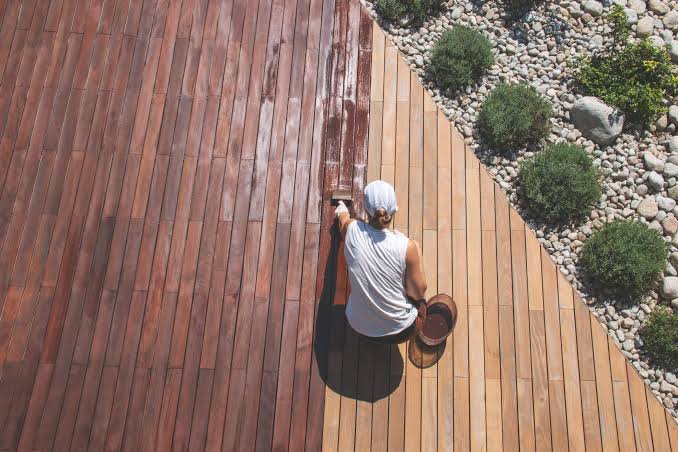
Working in manageable sections keeps wet edges alive and prevents ugly lap marks across long boards. Steady pacing beats rushing across twenty feet at once under hot midday sun.
-
Sweep debris and clear patio furniture off the entire platform first.
-
Cover nearby shrubs, siding, and stone walkways with breathable canvas drop cloths.
-
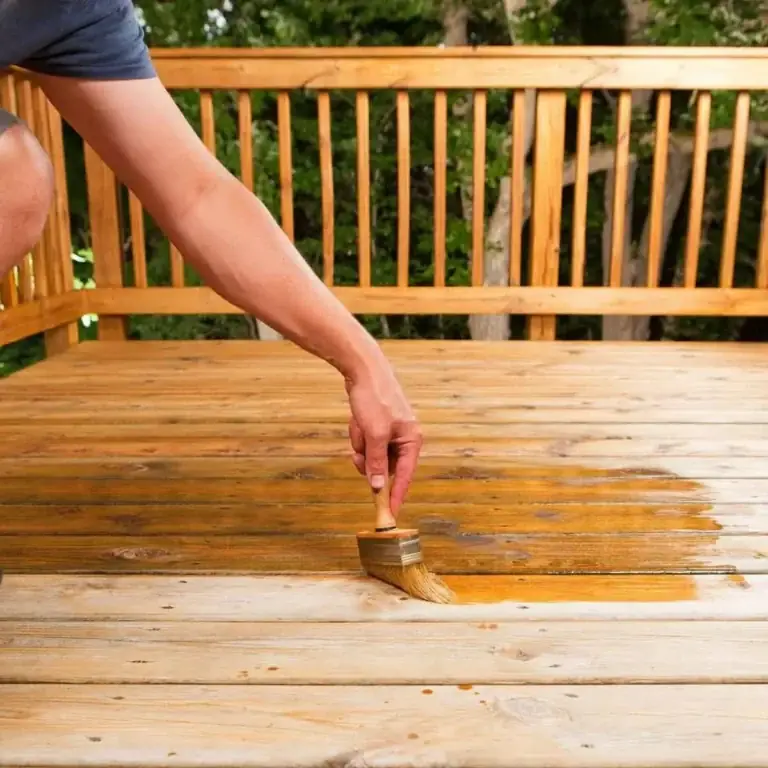
Coat two or three full-length boards at a time from end to end.
-
Back-brush pooled puddles immediately so excess stain works deep into the grain.
Common Deck Building Mistakes to Avoid
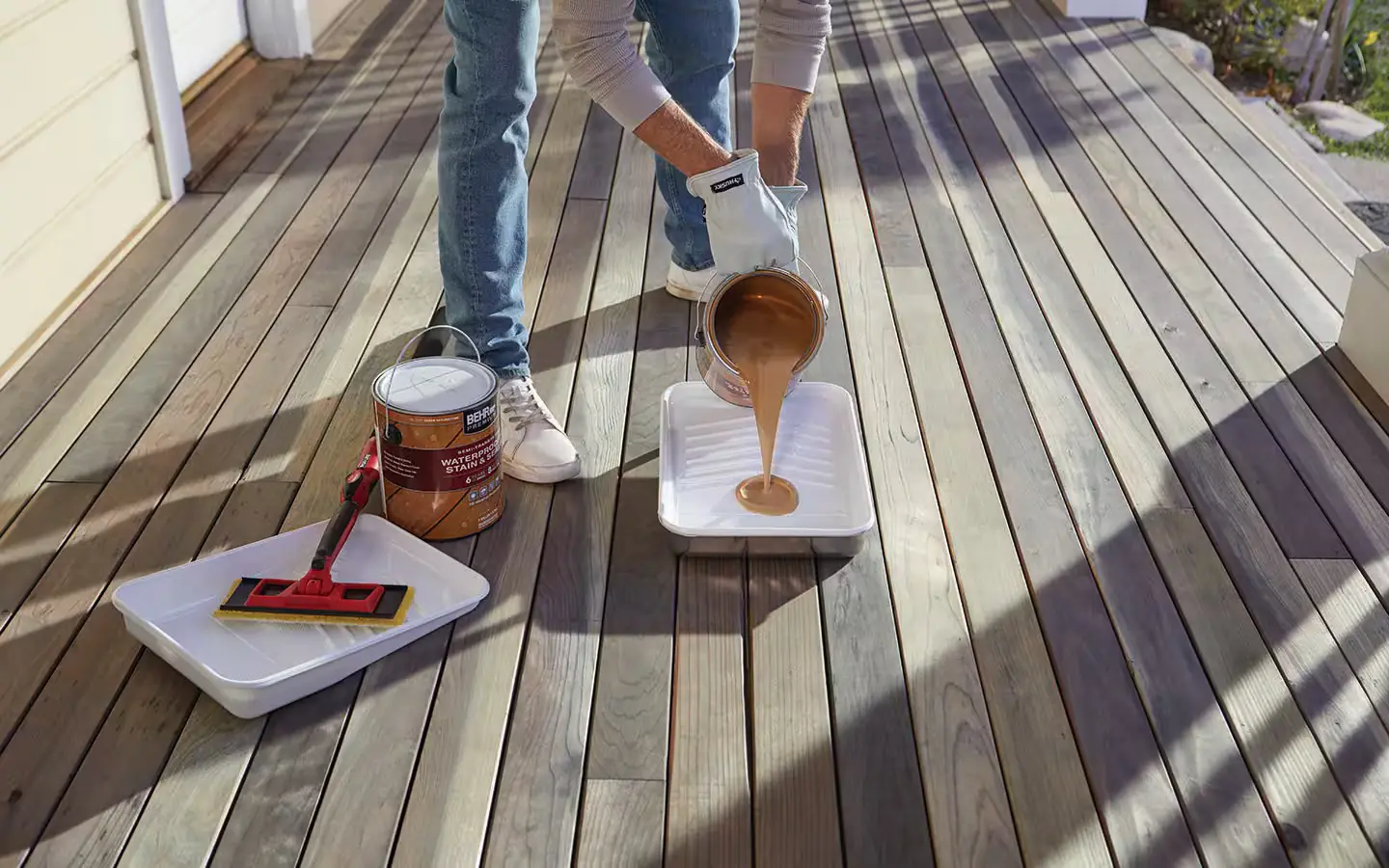
Simple shortcuts ruin expensive exterior stains faster than winter snow or summer heat. Avoiding a few classic mistakes keeps your boards looking sharp for years.
Overloading on one-off tech cards
Mixing leftover cans from different brands or piling on extra coats creates sticky, uneven patches. Thick film buildup traps moisture underneath and peels off in sheets by next spring.
Avoiding Thick Over-Application
More product does not equal better protection on horizontal lumber. Thin, well-worked coats penetrate fibers cleanly and dry without tacky spots.
Boxing Multiple Cans Together
Slight tint shifts occur between separate one-gallon cans even within the same color code. Pouring cans into a clean five-gallon bucket and stirring thoroughly keeps color uniform across the whole deck.
Ignoring the current meta before finalizing your list
Forgetting local sun exposure, heavy shade, or nearby pool splash leads to picking the wrong formula. Matching your stain chemistry to actual yard conditions prevents premature fading and mildew growth.
Protecting Shady Damp Corners
North-facing stairs stay wet longer after morning dew and autumn leaf fall. Choosing stains with strong mildewcides protects shaded boards from dark fungal spots.
Planning Future Maintenance Coats
Easy upkeep depends on choosing a finish you can wash and recoat without heavy scraping. Keeping leftover stain sealed and labeled makes quick spring touch-ups effortless.
Frequently Asked Questions
How to stain a wood deck without leaving lap marks?
Work along two or three boards from one end to the other while keeping a wet edge. Avoid stopping midway across a plank, and back-brush any overlapping strokes immediately.
How long after washing can you stain a wood deck?
Most washed decks need 24 to 48 hours of dry, sunny weather before staining. Checking boards with a pin moisture meter confirms the wood sits below 15 percent moisture.
Should you roll or brush stain onto deck boards?
Using a stain pad or short-nap roller speeds up application, while back-brushing forces liquid deep into wood pores and gaps. Combining both tools gives fast coverage and even penetration.
How many coats of stain does a wood deck need?
Many penetrating oil stains require just one thorough coat or a wet-on-wet second pass before drying. Always follow the can’s instructions, because a second coat over sealed wood often stays sticky.
Starting Your Wood Deck Staining Project
Mastering how to stain a wood deck comes down to patient prep, dry timber, and thin, even coats. Check the weekly forecast, measure your square footage, and pick up your cleaner, brightener, and stain today so your deck stays protected all year.