How Much Does a Roof Replacement Cost in 2025?
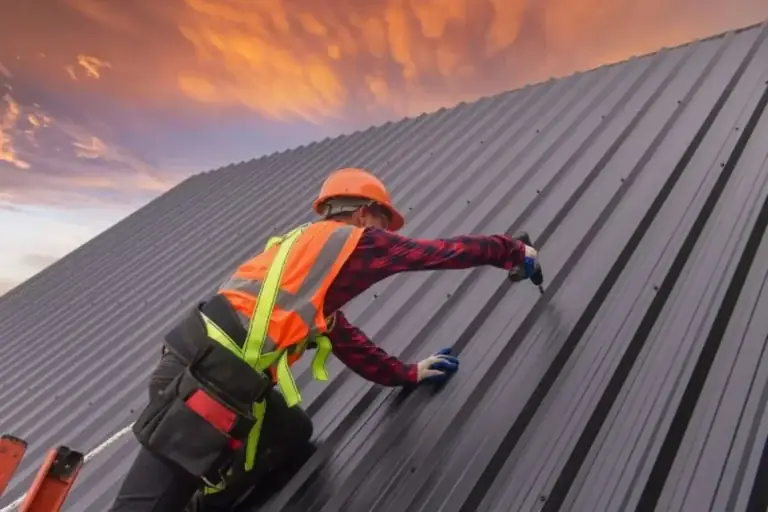
Wondering how much does a roof replacement cost before calling roofing crews keeps ugly bill surprises off your kitchen table. Most homeowners spend roughly $8,500 to $24,000 for a full residential roof swap, though total bills shift sharply with roof size, material grade, and tear-off work. Two springs ago, I helped a cousin compare three quotes on a 2,000-square-foot colonial home in Pennsylvania, where bids swung by nearly $6,800 because one roofer quoted basic asphalt shingles while another priced standing seam steel with new decking.
How Much Does a Roof Replacement Cost on Average?
National average price ranges for 2025
Typical whole-roof budgets by home size
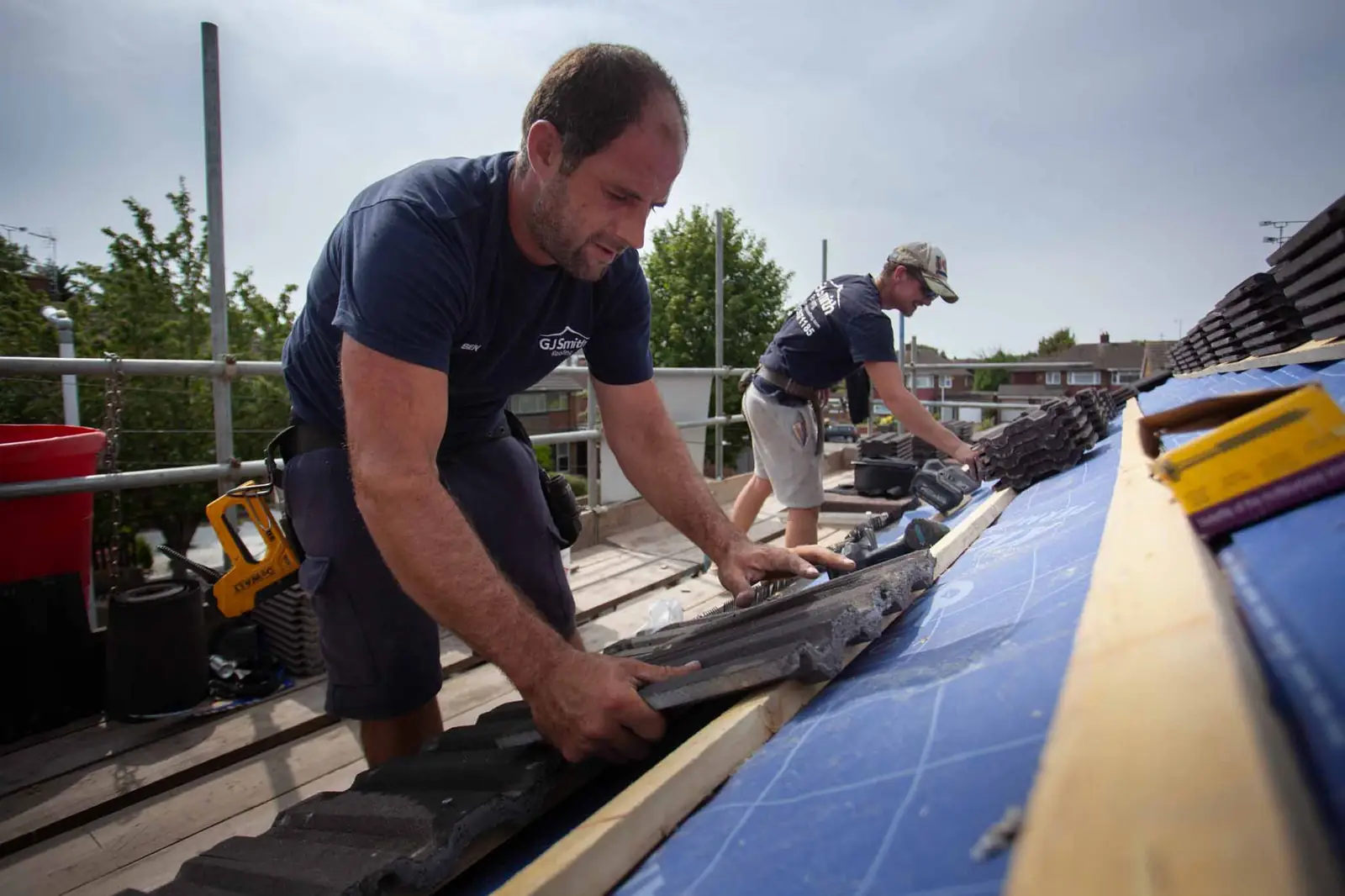
Compact single-story homes with simple gable roofs land toward the lower end of typical project budgets. Larger two-story houses with steep pitches, hips, and dormers climb much higher because crews spend extra hours cutting angles and hauling heavier loads.
Why averages only set a rough baseline
National averages blend low-cost jobs with expensive specialty builds across every state. Checking roof replacement price per square foot helps turn broad lump sums into numbers you can compare against local contractor bids.
What contractors charge per square foot
Translating square footage into real estimates
Roofers often price work by the square foot or by the roofing “square” (100 square feet of roof area). Looking closely at roof replacement cost per sq ft shows how material tier and installation complexity move the per-foot number up or down.
-
Three-Tab Asphalt Shingles: Around $3.50 to $5.50 per square foot installed for budget-minded coverage.
-
Architectural Asphalt Shingles: Around $4.50 to $7.50 per square foot installed for thicker weight and better wind rating.
-
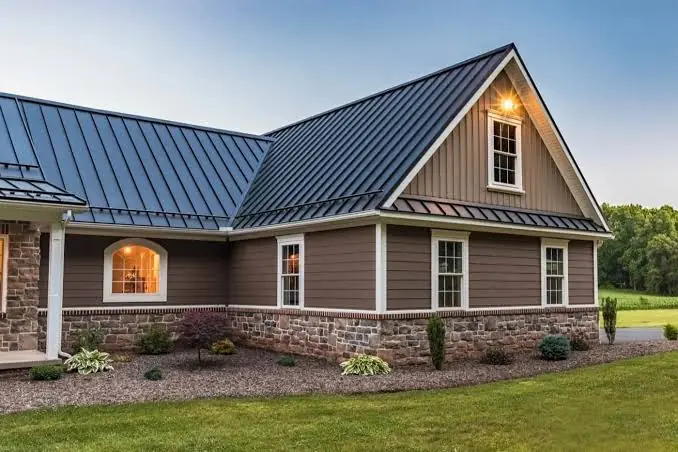
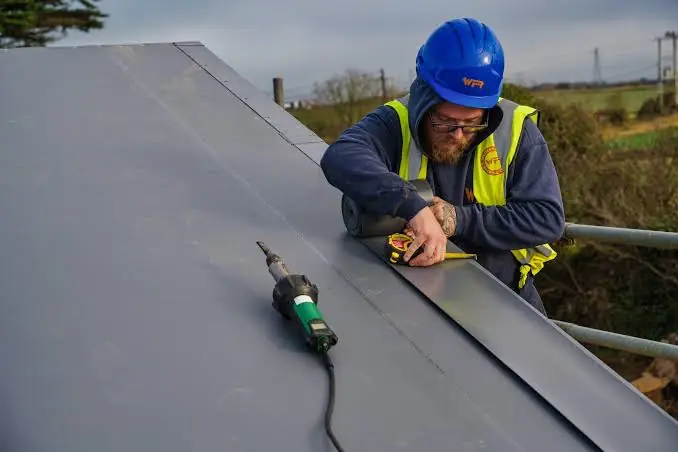
Standing Seam Metal Panels: Around $11.50 to $18.50 per square foot installed for long-term durability and clean lines.
-
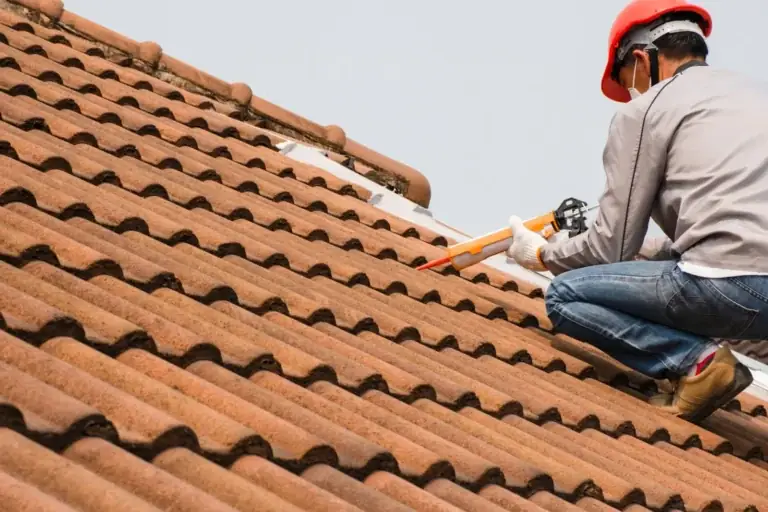
Clay or Concrete Tile: Around $12.00 to $22.00+ per square foot installed, requiring structural load checks on many homes.
How Roofing Material Changes the Total Price
Asphalt shingles vs metal vs tile costs
Comparing material longevity against upfront outlay
Asphalt shingles keep initial out-of-pocket costs lower and remain popular across residential neighborhoods. Metal and tile cost more upfront, yet they often outlast standard shingle cycles when installed properly.
Checking roof assembly and wind-uplift standards
Guidance from the National Roofing Contractors Association (NRCA) highlights proper roof assembly design, drainage slope, and wind-uplift resistance for lasting roof performance. Matching materials to local weather and roof structure prevents premature wear.
Hidden upcharges for underlayment and flashing
Layers beneath the visible roofing
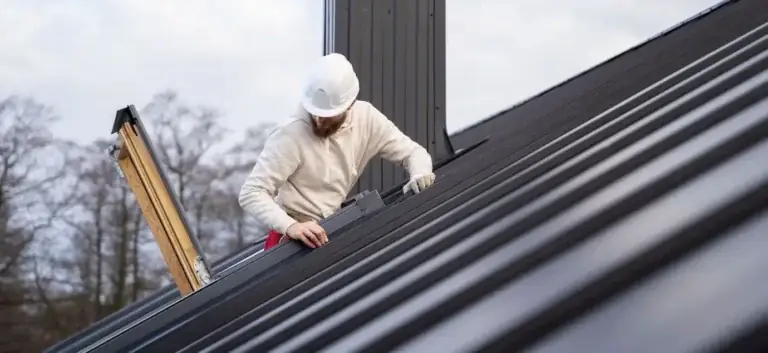
Synthetic underlayment, ice-and-water shield, drip edge, and step flashing protect roof decking where water concentrates. Skipping good flashing around chimneys, skylights, and valleys saves pennies today while risking leaks later.
Decking repairs and targeted alternatives
Rotted plywood or OSB sheathing usually gets billed per sheet once old roofing comes off. When roof wear stays limited to one small spot on a sound roof, checking roof repair cost per square foot near me helps weigh quick repairs against full replacement.
Other Factors That Raise or Lower Your Quote
Roof pitch, layers, and tear-off fees
Steep slopes and extra roof planes
Steeper roof pitches require roof jacks, extra safety setups, and slower crew movement across slopes. Dormers, intersecting valleys, and tight yards also add cutting waste and labor time.
Removing multiple old shingle layers
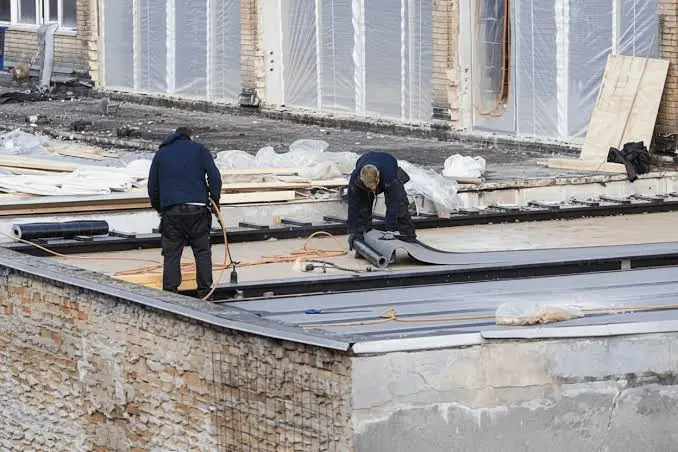
Stripping two layers of existing shingles adds weight to dumpsters and takes longer than a single tear-off. Many local codes restrict layering new shingles over old ones when roofs already carry multiple layers.
Regional labor rates and permit costs
Local crew wages and disposal fees
Higher local labor rates, landfill fees, and insurance premiums push quotes up in busy metro areas. Rural or lower-cost regions often show lower labor charges on comparable roof sizes.
Municipal permits and inspection fees
Building permits and final inspections apply in many towns before or after roof work wraps up. Always ask contractors whether permit fees are already rolled into their written bid.
Ways to Save Money Without Cutting Corners
Timing your project for off-season pricing
Avoiding peak storm rushes
Booking roofing work outside heavy storm surges can give you calmer scheduling and more attentive bid reviews. Weather conditions still need to stay dry and safe for proper material installation.
Keeping a sensible cash cushion
Setting aside a 10% to 15% reserve covers surprise decking repairs or code upgrades without stress. A small buffer keeps unexpected discoveries from forcing corner-cutting mid-project.
Comparing bids and spotting red flags
Asking for itemized scope sheets
Collect at least three written bids listing shingle or panel brand, underlayment type, flashing work, and wood replacement rates. Vague lowball numbers often omit tear-off, disposal, or proper ventilation upgrades.
Verifying licenses and insurance
Check active contractor licensing, liability insurance, and workers’ compensation coverage before signing any agreement. Clear written terms protect both your home and your wallet from start to finish.
Frequently Asked Questions
How much does a roof replacement cost on average for a typical house?
Most homeowners pay roughly $8,500 to $24,000 for a full residential roof replacement, depending on roof size and material. Steep pitches, metal or tile upgrades, and hidden decking repairs can push totals higher.
What is the cheapest roofing material to replace?
Three-tab asphalt shingles usually carry the lowest upfront price among standard residential roofing materials. Architectural shingles cost slightly more per square foot yet offer thicker construction and stronger wind resistance.
Does homeowners insurance pay for a full roof replacement?
Insurance coverage depends on the cause of damage, roof age, policy deductibles, and whether your plan pays replacement cost or actual cash value. Routine wear and tear or old age usually are not covered.
How long does a full roof replacement take?
Most standard single-family roof replacements take one to three days once materials and dumpsters arrive. Large roofs, steep slopes, or heavy decking repairs can add extra time.
Compare Itemized Bids Before You Sign
Knowing how much does a roof replacement cost across materials and roof layouts helps you compare quotes with clear eyes. Measure your approximate roof area this week, gather three itemized bids from insured local roofers, and check every line item before booking your crew.