Roof Replacement Definition: Clear Guide for Homeowners
Understanding the exact roof replacement definition keeps homeowners from signing vague contracts that leave old, rotted materials buried beneath new shingles. In construction and insurance terms, a true replacement means stripping every existing roofing layer down to bare wooden decking, inspecting the structural sheathing, and building an entirely new weatherproof assembly from the rafters upward. Three years ago, I watched a neighbor accept a bid labeled “new roof” only to discover on installation morning that the crew intended to nail shingles straight over two crumbling layers without touching the rusted valley flashing.
Roof Replacement Definition in Plain Terms
What gets removed during a full replacement
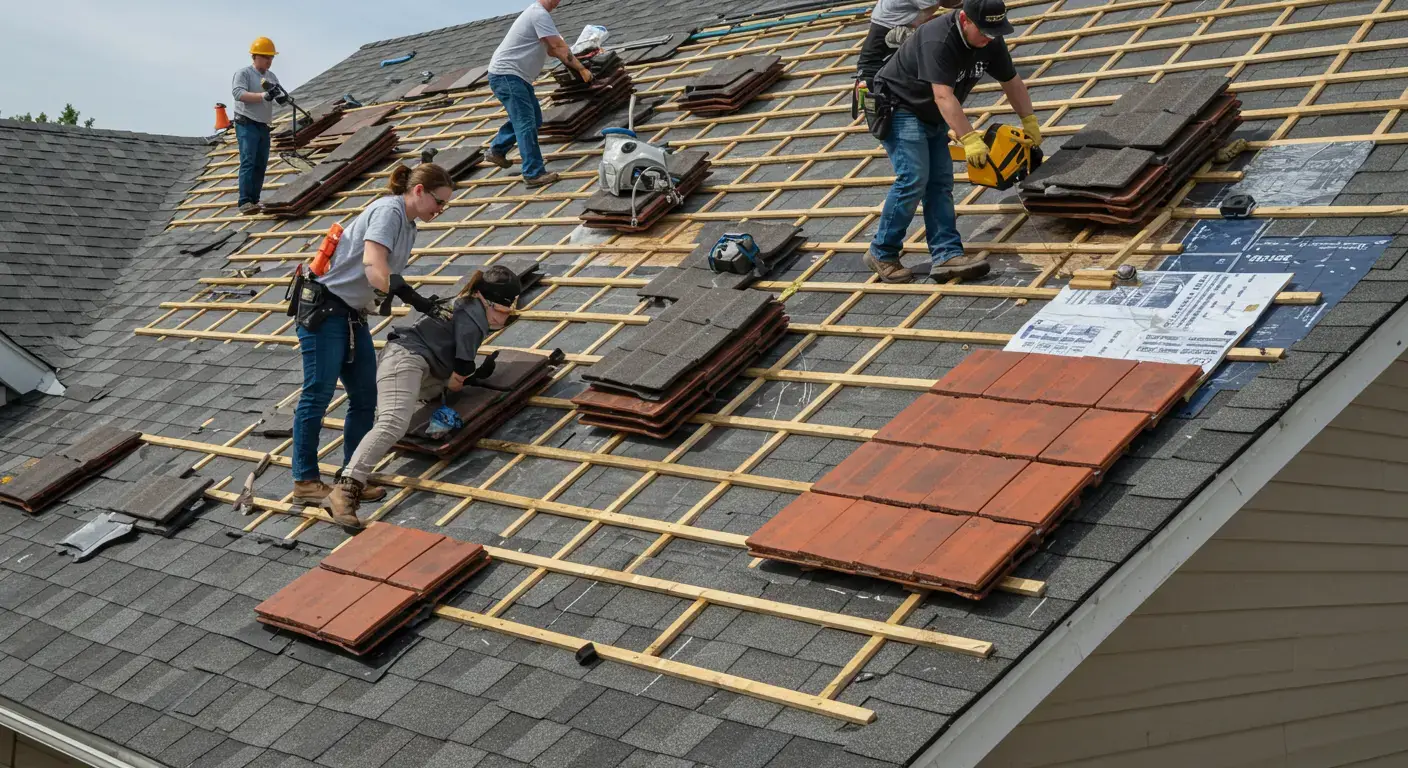
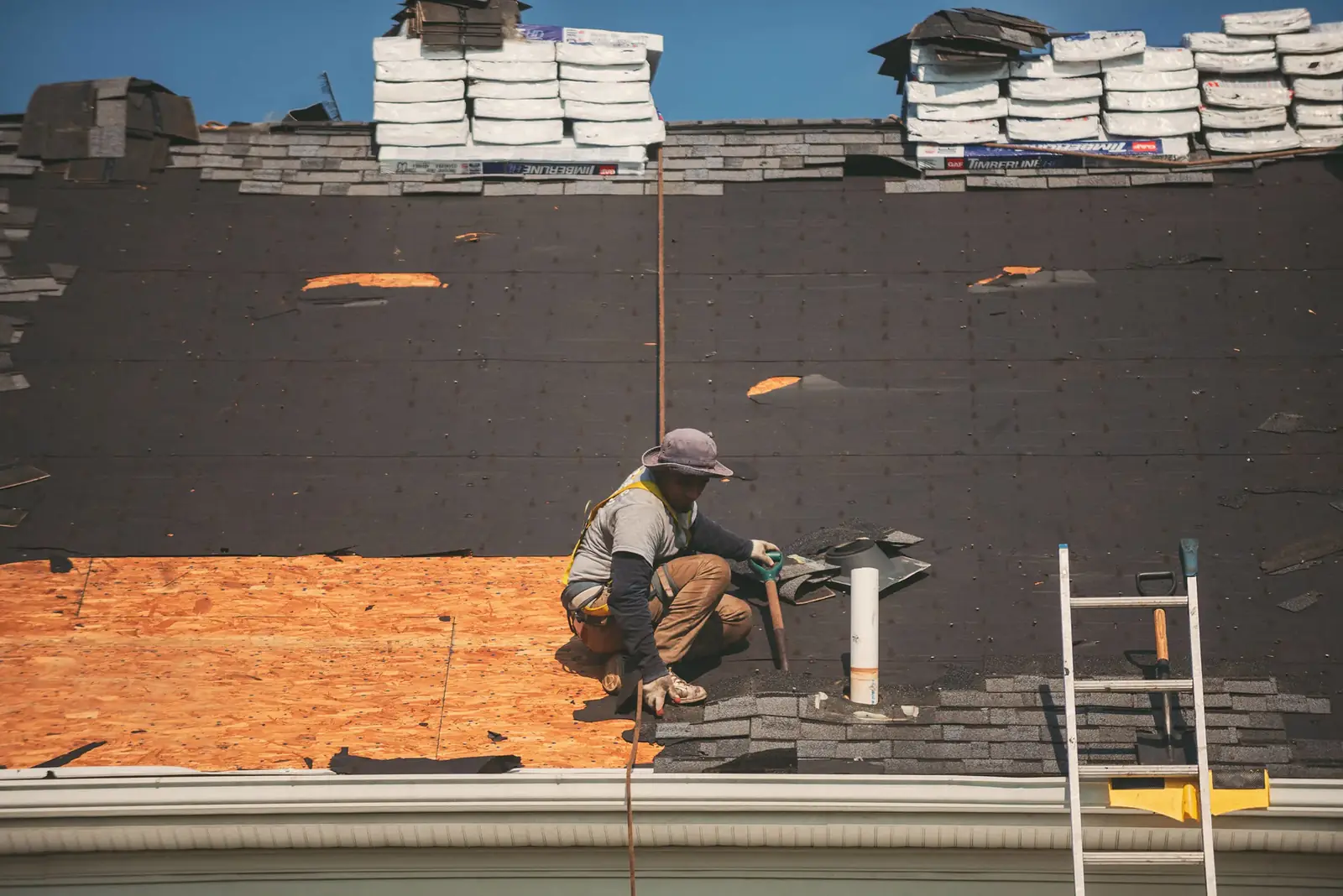
A legitimate tear-off clears every worn barrier off your home before fresh materials arrive on the ladder hoist. Reviewing the full roof replacement meaning helps confirm that your contractor plans to remove all old components down to clean wood.
-
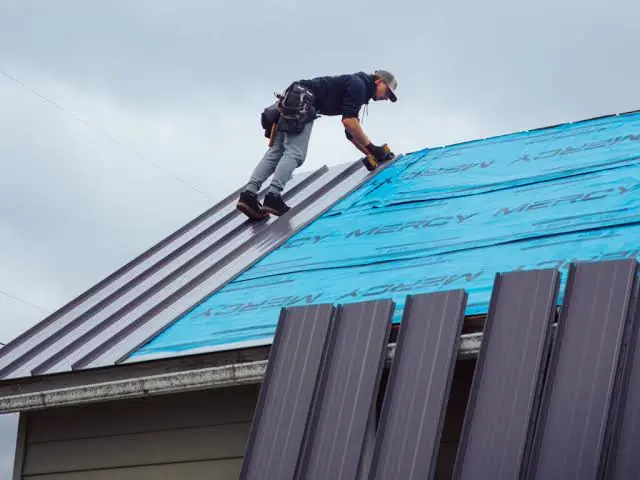
Old Shingles or Panels: Every layer of curled asphalt, split cedar shakes, or corroded metal gets pried up and tossed into a roll-off dumpster.
-
Saturated Underlayment: Torn tar paper and brittle synthetic sheets are stripped away so hidden leaks cannot stay trapped against the wood.
-
Rusted Metal Flashing: Bent aluminum step flashing around chimneys, dormers, and plumbing vent boots is discarded rather than reused.
-
Damaged Sheathing Boards: Soft or delaminated plywood panels are cut back to the nearest trusses and replaced with fresh exterior-grade CDX boards.
The difference between deck, underlayment, and shingles
Structural roof deck
The deck forms the solid wooden floor fastened directly across your attic rafters or trusses. Most modern homes use 7/16-inch oriented strand board (OSB) or 1/2-inch plywood sheets, whereas pre-1970 houses often feature solid 1×6 pine plank boards.
Water-shedding underlayment and outer shingles
Synthetic underlayment and rubberized ice barriers act as your secondary waterproof shield directly atop the wooden deck. Outer architectural shingles, standing seam metal panels, or clay tiles then provide the primary armor against ultraviolet rays, hail impact, and driving wind.
Roof Replacement vs Repair vs Overlay
When a patch job is still enough
Isolated storm damage on newer roofs
If a spring windstorm rips twenty tabs off a roof installed less than ten years ago, replacing those individual bundles restores protection easily. Targeted fixes also work well when a single rubber plumbing boot cracks or chimney counter-flashing pulls loose from mortar joints.
Checking policy rules before filing claims
Insurance adjusters distinguish sharply between minor repairs and whole-slope replacements when calculating payouts. Reading up on roof replacement coverage per policy meaning clarifies whether your insurer pays full replacement cost value or deducts years of depreciation on older roofs.
Why overlays often hide bigger problems
Trapped moisture and hidden wood rot
An overlay, sometimes called a roof-over, involves nailing a second layer of shingles directly over worn existing shingles to save dumpster fees. This shortcut prevents roofers from spotting soft plywood underneath, allowing fungal rot to spread silently into your attic framing.
Voided warranties and excess structural weight
Asphalt shingles weigh roughly 250 to 350 pounds per 100 square feet, so doubling layers adds thousands of dead pounds onto aging rafters. Most shingle manufacturers also reduce or void wind warranties when products are nailed over uneven, curled shingles, a risk highlighted by the National Roofing Contractors Association (NRCA).
What a Complete Roof Replacement Includes
Tearing off old materials down to the deck
Protecting landscaping and magnetic nail sweeps
Crews drape heavy canvas tarps over flower beds, deck railings, and air-conditioning units before prying up the first shingle course. Once debris gets hauled away, workers roll wide magnetic bars across your lawn and driveway to pick up stray roofing nails.
Re-nailing loose sheathing to modern wind codes
Exposed decking lets carpenters secure loose plywood edges with ring-shank nails before any underlayment rolls out. Building inspectors in coastal and high-wind counties verify this fastening pattern to ensure your roof meets current International Residential Code uplift standards.
New flashing, ventilation, and edge treatment
Drip edge, ice shield, and valley metal
Aluminum or galvanized steel drip edge goes along all eaves and rakes to direct rainwater cleanly into your gutters without wicking behind fascia boards. Self-sealing ice and water membrane is rolled along lower roof edges and inside open valleys to block winter ice-dam leaks.
Balanced ridge vents and intake soffits
Proper airflow keeps summer attic temperatures down so intense heat cannot bake new shingles from underneath. Understanding roof replacement coverage per endorsement meaning also matters here, as code-upgrade endorsements often help pay for mandatory ventilation and drip-edge improvements during insurance claims.
Signs Your Roof Actually Needs Replacing
Widespread shingle damage and granule loss
Curling edges and bare fiberglass mat
Asphalt shingles lose their protective ceramic granules over two decades of sun and rain exposure. When you find thick piles of sand-like grit inside gutter downspouts or notice dark fiberglass matting showing through, your shingles have reached the end of their service life.
Thermal splitting and missing tabs across slopes
Brittle shingles crack horizontally during rapid winter freeze-thaw swings and snap off cleanly during moderate gusts. Once wind or hail damage spans more than 25% to 30% of your roof surface, patchwork stops making financial sense.
Sagging areas and repeated leak history
Spongy decking and dipping ridge lines
Stand across the street and sight along your home’s main ridge beam for noticeable dips or wavy rafters. Soft spots underfoot during an attic inspection signal saturated sheathing boards that require immediate structural replacement.
Recurring interior ceiling stains after storms
Water travels along rafters and ceiling drywall seams far from the actual entry hole above. When brown water rings keep reappearing despite multiple caulk and flashing patches, a complete tear-off provides the only permanent cure.
Frequently Asked Questions
What is the simplest roof replacement definition for homeowners?
A roof replacement is the complete removal of all existing shingles, underlayment, and worn flashing down to the bare wooden roof deck, followed by installing a brand-new roofing system. It differs from a repair or overlay because no old roofing layers remain underneath.
Does a roof replacement include replacing plywood decking?
Standard replacement contracts include inspecting the wooden deck after tear-off, though replacing rotted plywood sheets usually bills separately per board. Most roofers include two free sheets and charge $70 to $95 for each additional 4×8 plywood panel needed.
How long does a full roof replacement take to complete?
An experienced five-person crew completes most single-family asphalt shingle replacements in one to two full working days. Complex rooflines, steep pitches, or heavy wood decking repairs can extend the schedule to three or four days.
Is a roof overlay ever better than a full roof replacement?
Overlays cost less upfront because crews skip tear-off labor and landfill fees, yet they trap heat and hide underlying wood rot. Nearly all roofing experts recommend a full tear-off so the wooden deck can be inspected and brought up to current building codes.
Verify Your Scope of Work Before Signing
Knowing the true roof replacement definition protects your investment by ensuring contractors strip old layers down to solid wood rather than cutting corners with an overlay. Walk your perimeter with binoculars this week to check for curling shingles or rusted flashing, gather three itemized written bids from licensed local roofers, and confirm that full tear-off and new metal flashing appear clearly on your contract.